Why Digital Twins are Becoming the Backbone of Sustainable Real Estate Planning

by Abhishek Tharwani, Director, Tharwani Realty
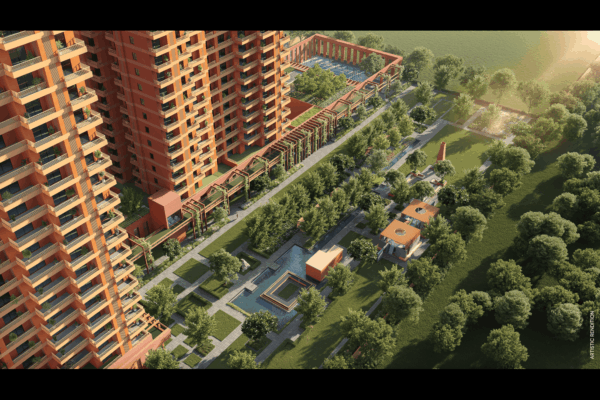
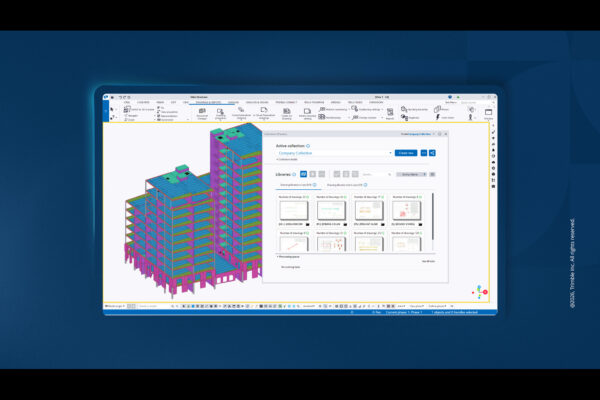
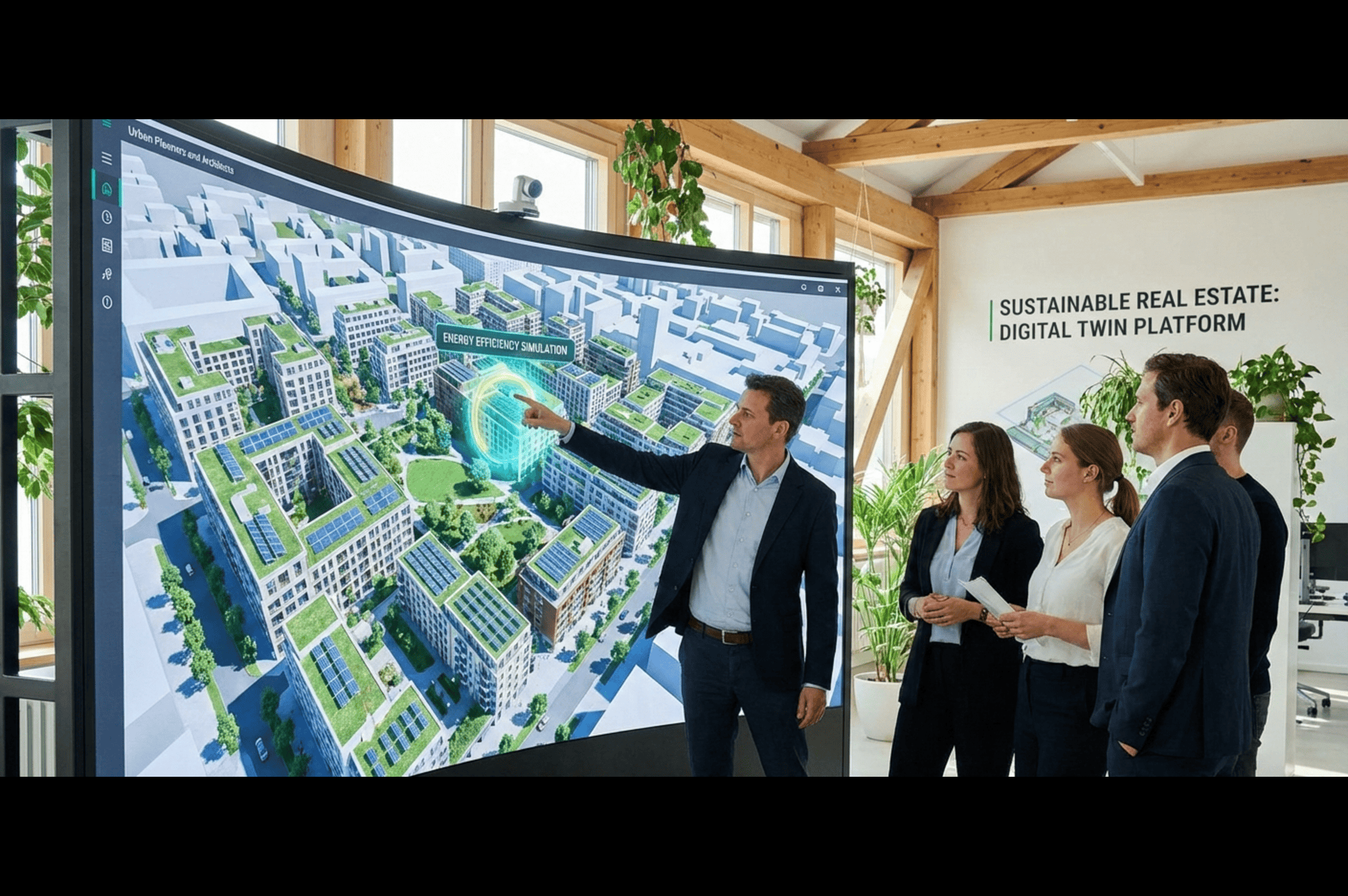
Digital twins are virtual replicas of real buildings, infrastructure, or even entire neighbourhoods. Think of them as detailed 3D models that behave exactly like the real thing. They help planners and developers test ideas, improve designs, and fix problems before construction begins. Today, digital twins are shifting from experimental tools to essential technology in sustainable real estate planning.
Today, cities are also using digital twins to make their infrastructure more sustainable. For instance, in India, pilot projects in both Maharashtra and New Delhi are developing digital doubles of electricity grids, which will help improve power supply, allow for better integration of renewable power sources into the grid, and cut power outages.
The real estate sector can leverage digital twins to transform sustainability from a regulatory requirement into a competitive advantage. Sustainability investments that were considered decisions based on assumptions can now be proved through definitive visual proof, making the justification of such investments to all relevant stakeholders simpler.
As a tool for governments and planners, this technology adds a level of transparency and certainty to urban expansion. As a function of being able to view project impact on traffic, flooding, heat, and energy demand, approvals will become quicker and more informed.
Digital twins have accelerated decision-making for city planners. They do not just stop at design; they can make buildings function more efficiently each day. When a building is linked to a digital twin, air-conditioning systems and lighting can be automatically controlled to reduce energy consumption. Even maintenance can be performed before a problem arises, thus providing cost savings.
There are some challenges, including cost issues, data handling, and skill requirements, but these are being alleviated by collaborative efforts among governments, cities, and the corporate sector. Cloud technology, in addition to AI, is making digital twin creation increasingly feasible, including in smaller cities or among individual developers. In short, digital twins enable people to visualize how their present decisions will affect the future and this makes digital twins an invaluable asset in creating sustainable real estate, resilient cities, and future-driven wealth.
Most importantly, digital twins make sustainability feasible rather than aspirational. Through their ability to make complicated information into simple insights, they assist cities and buildings in being able to cut greenhouse gas emissions, accommodate climate risk, and remain financially productive.
Tags