The rise of experiential living: Where architecture meets interior storytelling

by Priyanka Gupta, Founder & Principal Architect, Prodigy Designs
A home has never been just a physical structure. It is a space of memory, emotion, and identity. Today, more than ever, there is a growing belief that a home should feel like a home and not like a hotel. While hotels may impress with their visual perfection, homes are meant to comfort, ground, and reflect the people who live in them. This fundamental shift in thought is shaping a new design narrative, one that moves beyond aesthetics and enters the realm of experience.
Experiential living is not a trend that appeared overnight. It is a gradual evolution in the way people relate to their spaces. Earlier, design decisions were often driven by what looked good or what was considered aspirational. There was a certain uniformity in choices, influenced heavily by catalogues, showrooms, and more recently, digital platforms filled with reference images. Clients would come in with folders full of inspiration, often drawn from global styles that looked appealing but did not always align with their own lives.
Today, there is a visible shift. While reference images still play a role, they are no longer the starting point of every conversation. Clients are asking deeper questions. How does a space feel in the morning when natural light enters the room. Where can one sit quietly with a cup of coffee. Which corner of the house allows for uninterrupted reading or focused work. These are not just functional considerations. They are emotional cues that define how a home is experienced on a daily basis.
This contrast between what clients think they want and what they actually need is at the heart of experiential design. A client may initially ask for a space that resembles a luxury hotel lobby, with polished finishes and dramatic lighting. However, what they often need is a living room that encourages conversation, a bedroom that promotes rest, and a kitchen that supports the rhythms of everyday life. The role of a designer is to gently bridge this gap, to translate aspiration into authenticity.
In many ways, this evolution has also placed new demands on the relationship between architecture and interior design. Architecture sets the foundation of experience. It defines how light moves through a space, how one transitions from one room to another, and how volume and scale are perceived. Ceiling heights, window placements, and spatial flow are not just technical decisions. They are emotional frameworks that influence how a person feels within a home.
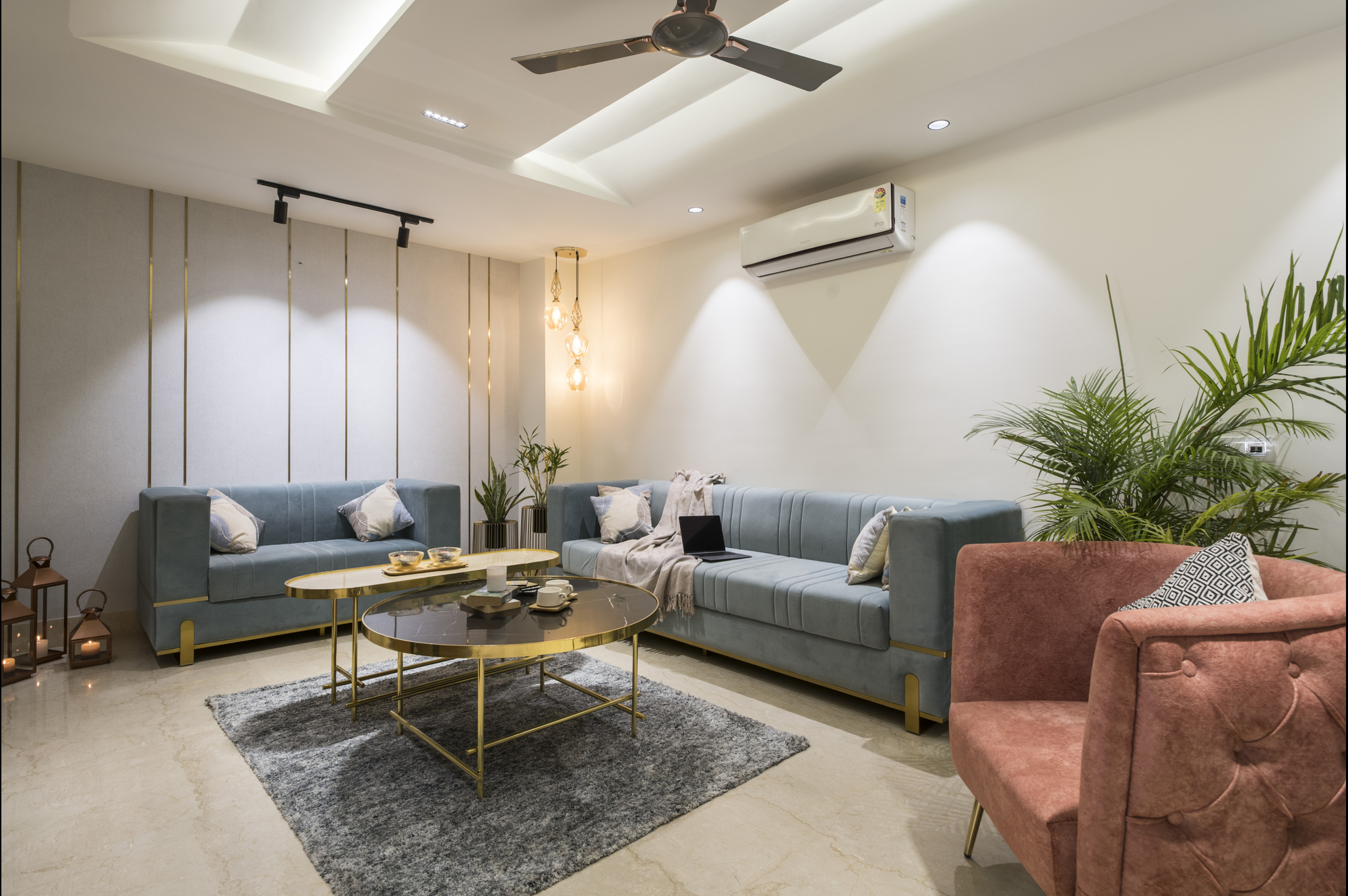
Interior design builds upon this framework and transforms it into a narrative. It is where the story of the home truly comes alive. Through careful selection of materials, thoughtful detailing, and the layering of textures, a space begins to acquire depth and character. Every surface, every finish, and every element contributes to the overall experience.
Material selection, in particular, has taken on a more introspective approach. The question is no longer limited to how a material looks. Instead, it extends to how it feels when touched, how it responds to light, and how it ages over time. A natural stone surface may evoke a sense of grounding, while a warm wood finish can create a feeling of comfort and familiarity. Fabrics, metals, and finishes are chosen not just for their visual appeal but for their ability to evoke emotion.
This sensitivity to materiality is closely linked to the broader idea of storytelling in interiors. A well-designed home does not reveal itself all at once. It unfolds gradually, offering moments of discovery and connection. A reading corner by a window, a quiet prayer space, a dining area that brings people together, each of these becomes a chapter in the story of the home.
In the Indian context, this idea of storytelling carries even greater significance. Indian homes have always been deeply rooted in culture and community. They are spaces where traditions are practiced, relationships are nurtured, and celebrations are shared. The presence of a dedicated prayer area, a kitchen designed for elaborate cooking, and large dining spaces for family gatherings are not just design choices. They are reflections of a way of life.
Historically, Indian interiors have leaned towards maximalism, with rich layers of colour, texture, and ornamentation. While this essence remains, it is now being reinterpreted in more nuanced ways. There is a growing movement towards creating spaces that balance richness with restraint, tradition with modernity, and functionality with emotion.
The most exciting work in Indian interior design today is emerging from designers who understand this balance. They are not merely replicating global trends. Instead, they are building a contemporary design vocabulary that is rooted in local context and personal narrative. They recognise that luxury is not defined by excess, but by thoughtfulness and authenticity.
This approach also acknowledges the diversity of lifestyles that exist today. In some homes, the design revolves around a fast-paced urban routine, where efficiency and adaptability are key. In others, the home becomes a retreat, a place to slow down and reconnect. There are clients whose lives are deeply intertwined with their homes, where every space serves a specific purpose and carries a personal meaning.
Understanding these nuances requires a design process that is both empathetic and intuitive. It begins with listening, not just to what is said, but also to what is felt. It involves observing patterns, asking questions, and uncovering layers of meaning that may not be immediately visible. Only then can a space be designed in a way that truly reflects its inhabitants.
Experiential living also encourages a more mindful approach to design. It shifts the focus from instant gratification to long term satisfaction. A home is no longer seen as a static entity, but as a dynamic space that evolves with time. Materials age, spaces adapt, and memories accumulate, adding to the richness of the experience.
In this sense, the success of a design is not measured by how it looks in photographs, but by how it feels to live in it. Does the space support daily routines with ease. Does it offer comfort during moments of rest. Does it create opportunities for connection and reflection. These are the questions that define experiential living.
As architecture and interior design continue to intersect in more meaningful ways, the idea of home is being redefined. It is no longer about creating spaces that impress others. It is about creating spaces that resonate with those who inhabit them. It is about designing environments that are not just seen, but felt.
Ultimately, experiential living is about returning to the essence of what a home should be. A place of belonging, a space of comfort, and a reflection of self. In a world that is constantly moving, the home becomes an anchor, a space where one can pause, breathe, and simply be.
Tags