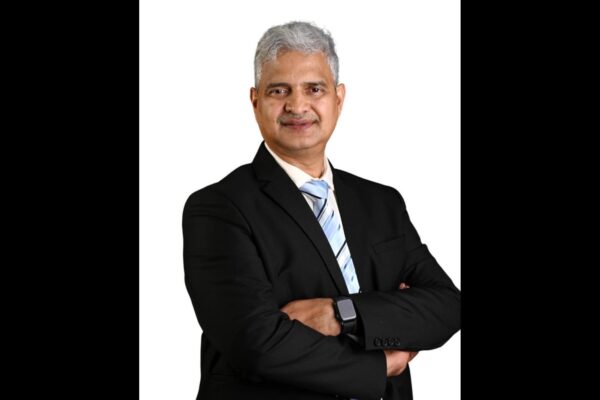
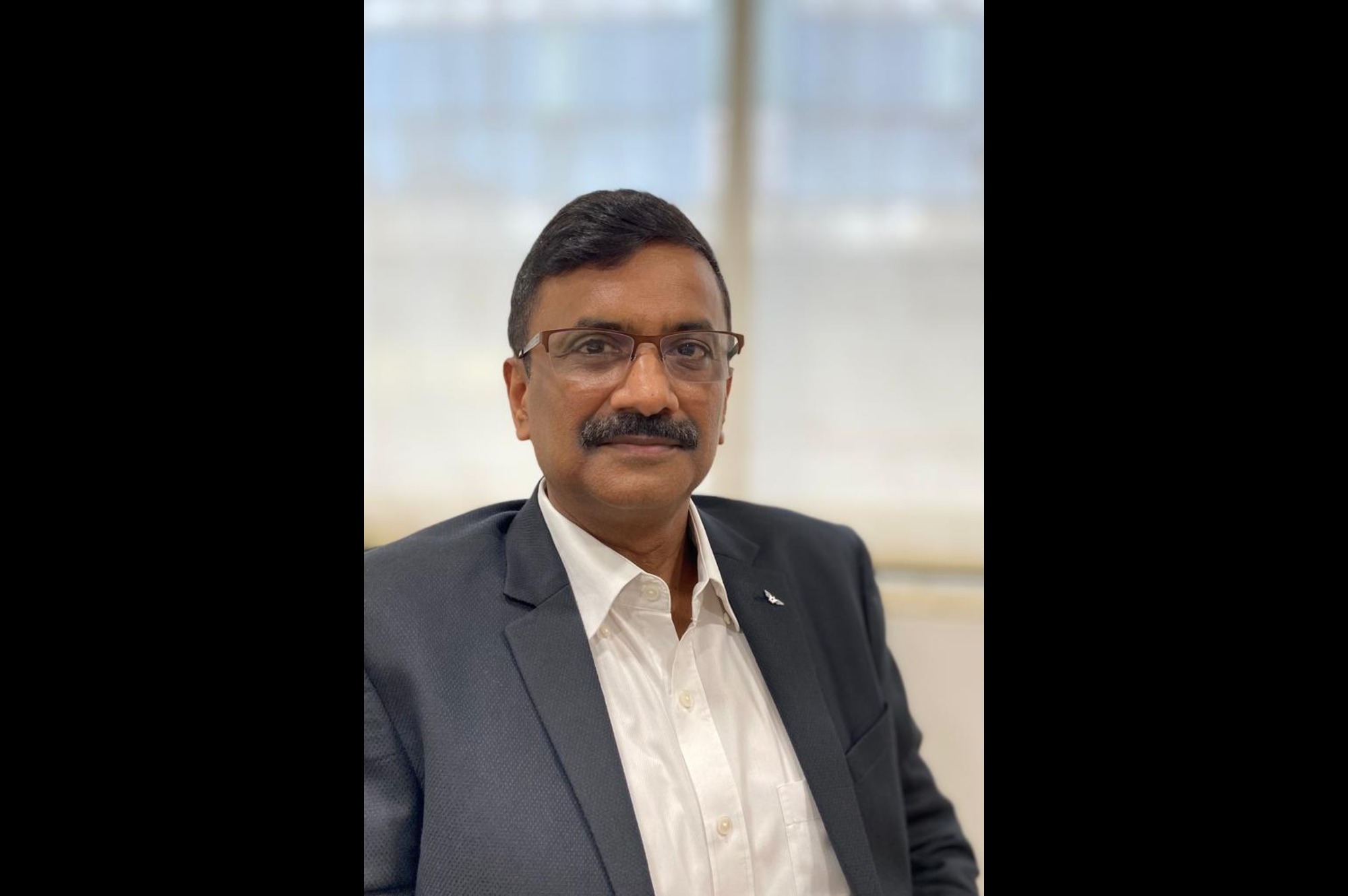
Interview: Rajesh Kumar Singh, CEO, Jyoti Structures

Our focus will be on delivering complex transmission projects reliably, while maintaining discipline in execution, financial management, and workforce development
India is witnessing a renewed push in power transmission tenders. What is driving this surge?
The surge is being driven by a combination of factors rather than a single trigger. Renewable capacity additions are a major driver, particularly the need to transmit power from solar and wind-rich regions to demand centres. At the same time, interstate transmission corridors are being strengthened to support grid balancing and reliability. There is also a clear push to upgrade ageing infrastructure that was built for a very different generation mix. Together, these factors are creating sustained demand for new transmission capacity across voltage levels.
How is Jyoti Structures leveraging this opportunity to strengthen its presence in transmission?
We are approaching this phase with a focus on execution discipline and capability depth. Our strength lies in an integrated EPC model where engineering, manufacturing, testing, and site execution work together rather than in insolation. This allows us to plan projects more realistically and execute them with better predictability. Strategically, we are prioritising projects where complexity, terrain, and voltage levels demand strong execution capability. The focus is not just on order inflow, but on building a portfolio that we can deliver consistently, while strengthening our position in high-voltage and long-span transmission work.
Transmission projects involve difficult terrain, right-of-way constraints and tight timelines. How do you manage execution risks?
Execution risk in transmission projects is best managed before construction begins. We place significant emphasis on early-stage planning, where engineering decisions account for terrain, access, logistics, foundation strategy, and sequencing. Right-of-way constraints and site accessibility often have as much impact as technical parameters, and these need to be addressed upfront. During execution, close coordination between engineering, manufacturing, and site teams helps maintain quality and cost discipline. Standardised processes, experienced supervision, and realistic scheduling are critical to meeting timelines without compromising safety or quality.
How are engineering and design requirements evolving, and how is Jyoti Structures adapting?
Engineering and design requirements are becoming more demanding as transmission networks move towards higher capacities, longer spans, and integration with renewable and urban infrastructure. Designs today must consider constructability, safety, and long-term performance more closely than before. We are adapting by ensuring that design decisions are informed by execution realities. Our engineering teams work closely with site and manufacturing teams so that structures are not only technically sound but also practical to fabricate and erect in challenging conditions.
Based on global experience, which international best practices should India adopt more widely?
One key best practice is stronger emphasis on early-stage planning and design validation. In many international markets, more time is spent resolving constructability and access issues before execution begins, which reduces downstream disruptions. Another area is consistency in safety practices and supervision standards across projects. Clearer frameworks for certification, variation management, and dispute resolution would also help improve execution efficiency and financial predictability in the Indian transmission sector.
How have manufacturing capabilities and tower testing infrastructure strengthened execution reliability?
Manufacturing depth and tower testing give us greater control over project outcomes. Tower testing allows us to validate designs under load conditions before fabrication scales up, which is especially important for high-voltage and long-span projects. Integrated manufacturing reduces dependency on external capacity during peak execution periods and improves alignment between fabrication schedules and site readiness. This strengthens planning reliability and supports consistent quality across multiple projects.
How is technology changing productivity, safety, and planning in HV and HVDC projects?
Technology has made a meaningful difference when applied with a clear purpose. Tools such as drone surveys, digital monitoring, and specialised stringing equipment improve planning accuracy and reduce manual risk exposure, particularly in difficult terrain. In HV and HVDC projects, where tolerances are tight and sequencing is critical, technology improves coordination and visibility across work fronts. However, it works best when it supports experienced teams rather than replacing judgment on site.
Talent availability is a challenge. What structural changes are needed, and how is Jyoti Structures addressing this?
Transmission work requires high discipline due to work at height, heavy material handling, and strict sequencing. Skill development cannot rely only on formal training; it needs structured on-site exposure supported by experienced supervision. From an industry standpoint, retaining experienced personnel is critical to improving safety and execution maturity. We focus on building supervisory capability, providing clear learning pathways for younger engineers, and maintaining consistent safety practices across projects.
What policy or financing interventions could improve working capital efficiency, and how are you navigating this challenge?
Working capital efficiency improves when execution cycles are predictable and payments are aligned closely with physical progress. Delays in execution or unresolved variations place unnecessary strain on EPC balance sheets. Clear milestone-linked payment frameworks, faster resolution of claims, and access to project-specific financing structures would support responsible scaling. Internally, we focus on disciplined financial planning and close monitoring of project cash flows, especially during peak execution phases.
How do you see demand for high-capacity transmission evolving over the next 5–7 years, and what role will Jyoti Structures play?
Demand for high-capacity transmission lines will continue to grow as renewable, thermal, and hydro generation expand across regions. Grid strengthening, interstate corridors, and renewable evacuation will remain key focus areas. We aim to play a role where execution capability, engineering depth, and manufacturing strength matter most. Our focus will be on delivering complex transmission projects reliably, while maintaining discipline in execution, financial management, and workforce development as the sector scales.
Tags