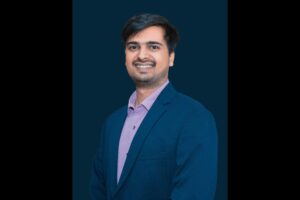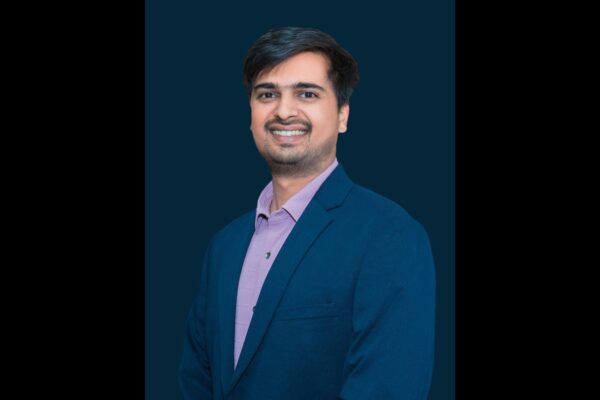
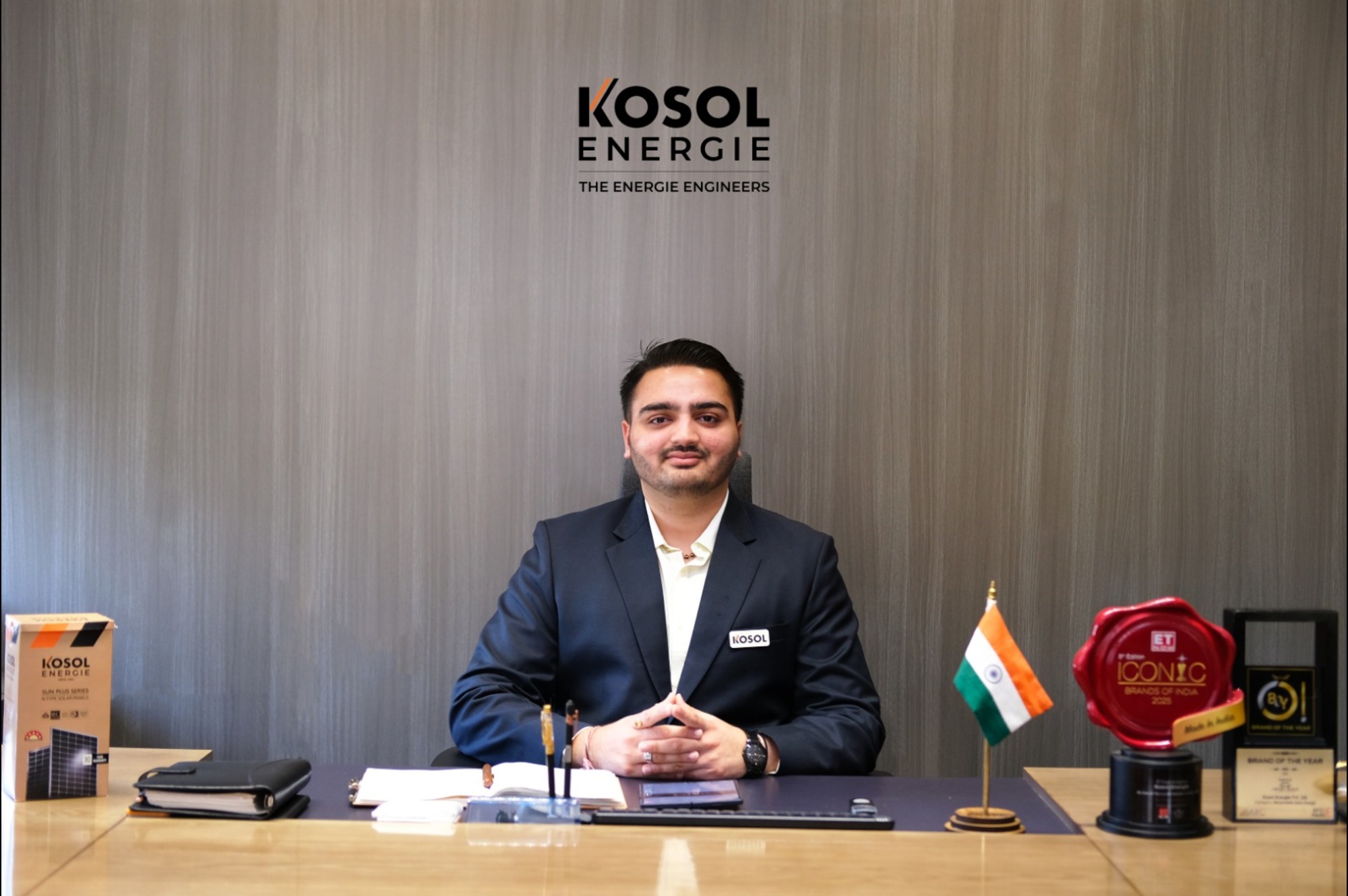
Interview: Kayan Kalthia, Director – Business Development, Kosol Energie

From an exhibitor’s standpoint, how well did this year’s Intersolar India 2026 exhibition meet your objectives, and what improvements would you suggest to maximize exhibitor engagement and returns?
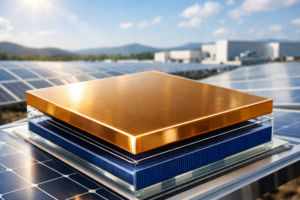
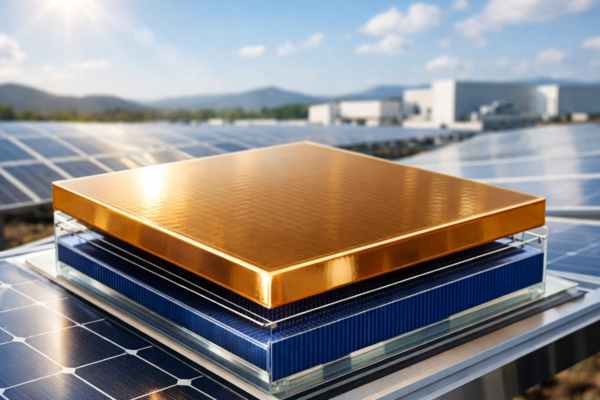
The exhibition was a resounding success. Our goal was to showcase our evolution into high-power, AI-enabled solutions, and the platform delivered. We were particularly excited to debut our 650 Wp+ G12R and our flagship 730 Wp G12 modules. To maximize future engagement, I’d suggest more “Technical Deep-Dive” zones. The audience is becoming much more sophisticated—they don’t just want to see a panel; they want to understand the BOS (Balance of System) savings that a 730 Wp module provides.
How was the response to the products and technologies you showcased at the exhibition?
The response was incredible. Thanks to PM Modi’s vision, solar acceptability has hit an all-time high. Visitors were particularly drawn to our G12R 650 Wp+ series. Its rectangular cell technology is a game-changer because it offers higher power density while remaining compatible with existing tracking systems. It was clear that the market is hungry for this level of innovation.
Did the exhibition generate meaningful enquiries, qualified leads, and potential purchase commitments for your products?
Yes, across all scales. The 730 Wp G12 TOPCon module, in particular, generated massive interest from utility-scale developers. When you show a client a module that can significantly reduce their land footprint and cabling costs, the conversation moves very quickly from “interest” to “commitment.”
What shifts in customer priorities did you observe? Were buyers increasingly focused on higher module efficiency, lower cost per watt, and compatibility with storage or hybrid system integration?
Storage was a major topic, but the most significant shift was toward Quality and Long-term Reliability. Many buyers who previously chased the “lowest cost per watt” are now seeing the fallout of poor quality. We’ve always prioritized the gold standard: using Tedlar in backsheets and strictly POE/POE encapsulation for our TopCon glass-glass modules. Visitors noticed that even with our high-power 730 Wp panels, we never compromise on this Bill of Materials (BOM). They want high wattage, but they want it to last 30 years.
Did the exhibition help you strengthen partnerships or open new market opportunities?
Absolutely. Our focus on G12 and G12R technology positioned us as a forward-thinking leader. This attracted a lot of new partners who are looking to align with a brand that offers “Global Quality, Made in India.” It has certainly opened doors for larger C&I projects and international utility opportunities.
Based on the feedback received, how will the exhibition influence your product roadmap and market strategy?
It has completely reaffirmed our Singular BOM strategy. Whether it’s our 650 Wp+ G12R for an industrial rooftop or a 730 Wp G12 for a massive solar farm, we use the exact same high-spec components. This “no-compromise” approach is our identity. The feedback from Gandhinagar proves that the market now values this consistency over marginal price savings.
Lastly, what is your perspective on current renewable energy policies, and what further measures are needed to accelerate the growth of the solar sector?
Policy support is currently at its best. However, as we move toward these ultra-high-power modules like our 730 Wp series, our national focus must pivot toward grid expansion and connectivity. We are producing more efficient energy than ever before; now we need the “highway” (the grid) to be ready to carry it to every corner of the country.
Tags