Integrated Construction Models: The Future of Architecture Explained

by Biju Mahima, CEO, U-Sphere
Architecture has never been just about walls and roofs. Across civilisations, the built environment has reflected human ambition from places of worship and public squares to modern cities that symbolise economic growth and technological progress. Today, architecture is no longer evaluated solely on aesthetics or structural soundness; it is judged on how effectively it responds to speed, sustainability, resilience, and human experience. This evolution has fundamentally changed how buildings are conceived and delivered.
One of the most significant shifts shaping modern architecture is the deepening collaboration between architects, engineers, fabricators, and project managers. Traditional linear workflows where design is completed first and execution follows later are proving inadequate for today’s complex projects. Urban density, climate considerations, compressed timelines, and cost pressures demand integrated thinking from day one. As a result, the industry is moving decisively towards collaborative delivery models that align design intent with constructability at the earliest stage.
Globally, this trend is visible in the growing adoption of Integrated Project Delivery (IPD), design–build frameworks, and early contractor involvement. These approaches reduce friction between disciplines, eliminate costly redesigns, and ensure that materials, methods, and timelines are optimised before construction begins. When architects and engineers collaborate closely with fabricators, buildings are no longer theoretical designs they become precision-engineered systems that are efficient, buildable, and scalable.
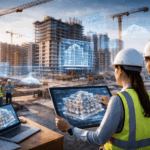
Technology has played a catalytic role in enabling this collaboration. Building Information Modelling (BIM) has evolved from a design visualisation tool into a shared digital backbone for entire projects. Combined with AI-enabled clash detection, digital twins, IoT-based monitoring, and real-time dashboards, BIM allows every stakeholder designer, structural consultant, MEP engineer, and contractor to work from a single source of truth. This transparency dramatically improves coordination, reduces rework, and enhances decision-making across the project lifecycle.
Another defining trend influencing architecture today is the industry’s push towards speed without compromise. Rapid urbanisation and infrastructure expansion require faster delivery, yet quality and sustainability standards are rising simultaneously. This has accelerated the adoption of pre-engineered systems, modular construction, and off-site fabrication. When design and fabrication teams work together early, components can be standardised, prefabricated, and assembled with remarkable precision often reducing project timelines by 30–50 percent compared to conventional construction.
Sustainability has also moved from being a design add-on to a core architectural principle. Climate-responsive design, material efficiency, energy optimisation, and lifecycle performance are now central to how buildings are planned. Collaborative workflows enable sustainability goals to be embedded early whether through material selection, passive design strategies, or efficient structural systems. Architects alone cannot achieve this; it requires engineers, sustainability consultants, and fabricators working together to balance form, function, and environmental responsibility.
Within this broader industry transformation, organisations like U-Sphere, the modern construction arm of Uralungal Labour Contract Co-Operative Society (ULCCS) reflect how integrated collaboration is being applied on the ground. By aligning architects, engineers, and fabrication teams through digital tools and modular construction methods, such models demonstrate how design intent can be translated into faster, more efficient, and future-ready built environments. This approach is increasingly relevant for public infrastructure, commercial developments, and institutional projects across India.
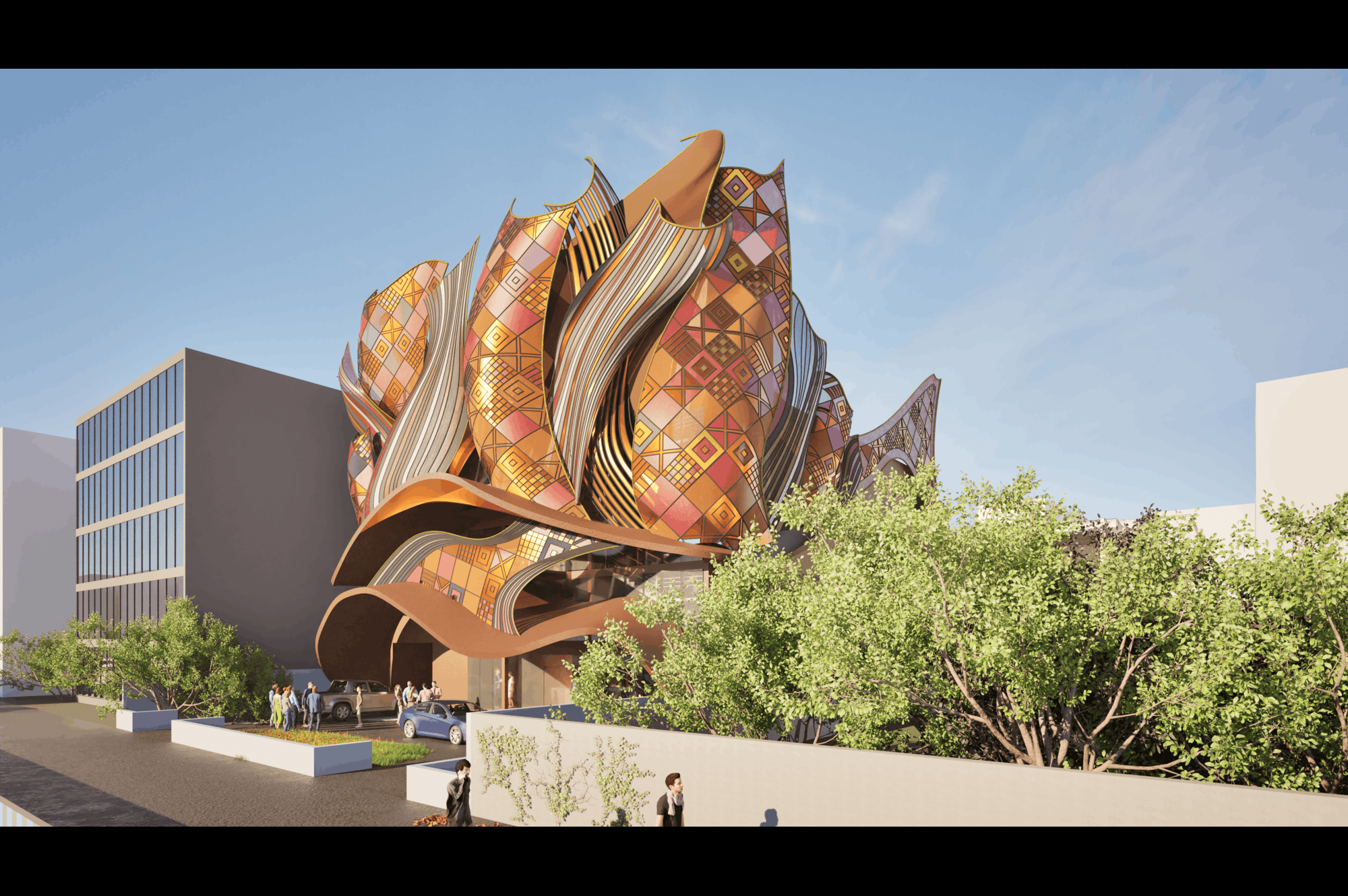
Ultimately, architecture today is about enabling aspiration at scale — creating spaces that are not only visually compelling, but also resilient, inclusive, and adaptable. The future of the built environment lies in collaboration: where disciplines dissolve their boundaries, technology amplifies human expertise, and buildings are delivered as unified systems rather than fragmented outputs. When architecture moves beyond shelter and becomes a shared endeavour, it has the power to shape cities and lives for generations to come.
Tags