How next generation building materials can help reduce urban pollution levels

by Aparna Reddy, Executive Director, Aparna Enterprises Ltd.
Cities are living reflections of human progress, innovation, and ambition. Yet today, they are also facing the consequences of rapid growth, rising pollution, increasing heat, and mounting environmental pressures that affect the health and well-being of their residents. As urban areas expand and densify, the materials that form their foundations are no longer neutral bystanders. They play a decisive role in shaping energy consumption, air quality, and the overall sustainability of urban ecosystems.
Traditional construction materials, while structurally reliable, often trap heat, increase energy demand, and contribute quietly but significantly to pollution. The approach to urban construction must evolve as modern cities can no longer rely on materials that simply support structures, they must adopt solutions that combine strength, durability, and environmental intelligence. By integrating materials that actively reduce emissions, improve air quality, conserve energy, and enhance resilience, cities can transform the built environment from a source of environmental strain into a driver of sustainable, healthy, and future-ready urban living.
The urban pollution challenge: Why building materials matter
The surfaces that define cities- buildings, pavements, roads, and public infrastructure directly influence environmental conditions. Conventional materials absorb and store heat, contributing to the urban heat island effect and increasing the energy required to cool indoor spaces. This, in turn, drives higher electricity consumption and emissions, which cumulatively affect air quality and climate conditions. When thousands of buildings behave similarly, their combined environmental impact becomes significant. In contrast, next-generation building materials challenge this trend. Engineered with sustainability in mind, these materials reduce heat absorption, lower energy consumption, and even neutralize certain pollutants. When implemented at scale, they allow cities to address pollution passively and continuously, turning infrastructure into a quiet yet powerful tool for environmental improvement.
A shift toward smarter, sustainable construction materials
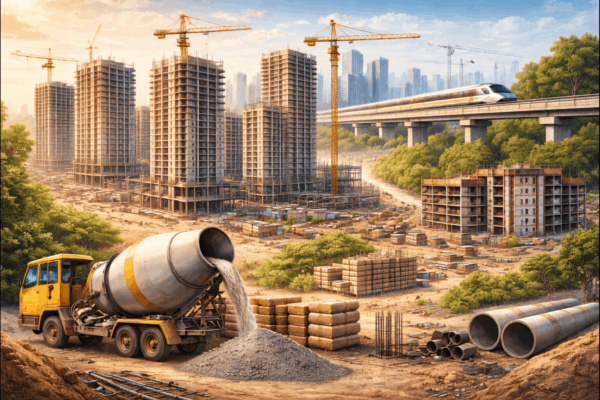
As urban development accelerates, the construction sector is experiencing a strategic shift toward high-performance, sustainable materials. Progressive building material companies in India are pioneering innovations across categories such as green concrete, specialized concrete mixes, energy-efficient windows and façades, durable tiles, and galvanized steel profiles.
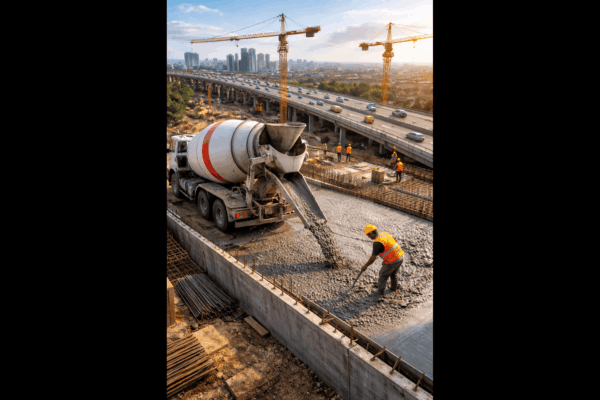
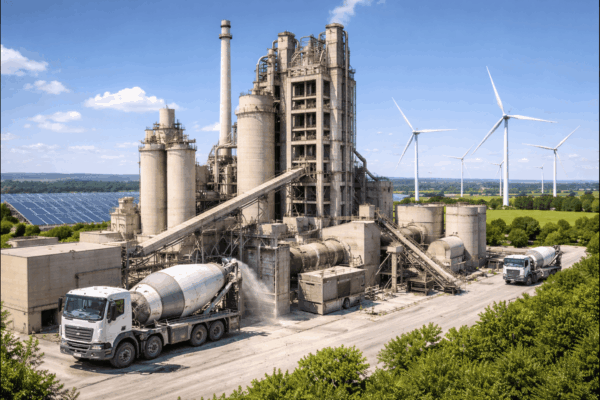
Sustainable concrete is one of the most transformative advancements in this space. Low-carbon concrete, incorporating supplementary materials like fly ash and GGBS, reduces cement consumption, lowers carbon emissions, and improves durability and thermal performance making it ideal for large-scale urban projects. Advanced variants, including fibre-reinforced, self-compacting, and porous concrete, further enhance efficiency. Porous concrete, in particular, allows groundwater recharge and reduces surface runoff, helping cities manage both heat and water stress simultaneously. Beyond concrete, innovations in building components are redefining sustainability standards. High-performance uPVC and aluminium window systems with recyclable, lead-free profiles reduce heat transfer and improve energy efficiency. Modern vitrified tiles minimize water absorption, extend lifecycles, and help maintain cooler indoor temperatures. Galvanized steel reinforcements and sections enhance structural strength, resist corrosion, and reduce lifecycle emissions associated with frequent maintenance or replacements.
How next-generation materials reduce urban pollution
Next-generation materials improve environmental performance through multiple interconnected mechanisms. High-reflectance paints and cool surfaces reflect sunlight, reducing heat absorption and easing the burden on cooling systems, which lowers energy consumption and emissions.
Photocatalytic concrete, infused with titanium dioxide, actively breaks down harmful pollutants such as nitrogen oxides (NOx), volatile organic compounds (VOCs), and particulate matter. In high-traffic urban zones, these materials create cleaner microenvironments around buildings and public pathways.
Energy-efficient windows and façade systems stabilize indoor temperatures, reducing reliance on air-conditioning, a major driver of urban energy demand. Airtight designs also limit dust infiltration, improving indoor air quality. Meanwhile, durable and recyclable materials extend product lifecycles, reducing the need for replacements and cutting emissions linked to manufacturing, logistics, and construction activities.
Economic and health benefits of sustainable materials
The adoption of advanced building materials offers tangible economic and health advantages. While sustainable materials may have higher upfront costs, they deliver long-term value by reducing energy bills and minimizing maintenance and repair expenses. Superior durability translates into better returns on investment for homeowners, developers, and municipal authorities. From a health perspective, improved air quality and reduced heat exposure significantly enhance urban well-being. Cooler, cleaner indoor environments improve comfort, productivity, and reduce respiratory illnesses. Cleaner surroundings around public infrastructure also decrease pollution-related health risks, lowering the overall burden on healthcare systems.
Implementation pathways for cities and builders
The widespread adoption of next-generation materials requires strong institutional support and collaboration across the construction ecosystem. Governments can encourage uptake through tax incentives, subsidies, and fast-track approvals for green-certified projects. Municipal authorities can lead by example by incorporating advanced materials into public infrastructure, influencing private developers to follow suit.
Certification systems such as IGBC (Indian Green Building Council), LEED (Leadership in Energy and Environmental Design), andBREEAM (Building Research Establishment Environmental Assessment Method) provide performance benchmarks that guide builders and enable informed choices. Equally important is capacity building; training contractors, architects, and engineers to use advanced materials effectively ensures that their intended environmental benefits are realized. Public-private partnerships can accelerate pilot projects, foster knowledge sharing, and develop solutions tailored to local urban contexts.
The road ahead: Materials that build a cleaner future
The future of sustainable construction lies in deeper material innovation. Emerging technologies like carbon-sequestering concrete, algae-based bio-façades, graphene-enhanced composites, and self-healing materials represent a shift from reducing environmental harm to actively reversing it.
Urban pollution is inseparable from the way cities are built. By embracing next-generation materials from green concrete and specialized mixes to energy-efficient windows, advanced façades, durable tiles, and galvanized steel profiles cities can transform construction from a source of strain into a powerful tool for environmental improvement. These materials reduce heat, improve air quality, conserve energy, and enhance public health. As urban populations continue to rise, adopting sustainable building materials is no longer simply an environmental choice; it is a strategic imperative. Cities that embrace this transition will not only build stronger structures but also foster cleaner, healthier, and more resilient urban environments for generations to come.
Tags