Every Square Foot Matters: What Real Estate Design in 2026 Says About Buyer Priorities

by Sumitra Joshi, Senior Vice President- Architecture & Design, Vascon Engineers
The homes selling in 2026 share something unexpected; they are not necessarily the biggest or the most dramatically styled. What they have in common is smart utilization of space, how every square foot is planned to serve a purpose, how rooms connect without wasted circulation and how the design supports the way people actually live day to day.
As an architect watching deals close and buyers walk properties, I have noticed the conversation shift. A decade ago, buyers asked about finishes first. Now they ask about function: Can I work from this room? Where does the vacuum cleaner go? Will my furniture fit without the space feeling cramped?
This is not a trend. It is a recalibration of what matters when committing to a mortgage in a high-cost market while juggling remote work, family routines and the reality that your home needs to earn its square footage every single day. Modern interiors are about creating spaces that breathe rooms. that feel light, connected and organized without being packed with furniture. With clever storage, multi-functional furniture and flexible layouts, even compact spaces can feel open and comfortable.
Layouts: Every Room Needs a Job
Open floor plans had their moment, and they are not going anywhere. But the demand now is for open plans that still zone intelligibly. Buyers want flow, but they also want to know where the living room ends and the dining area begins without relying on a rug to do all the work.
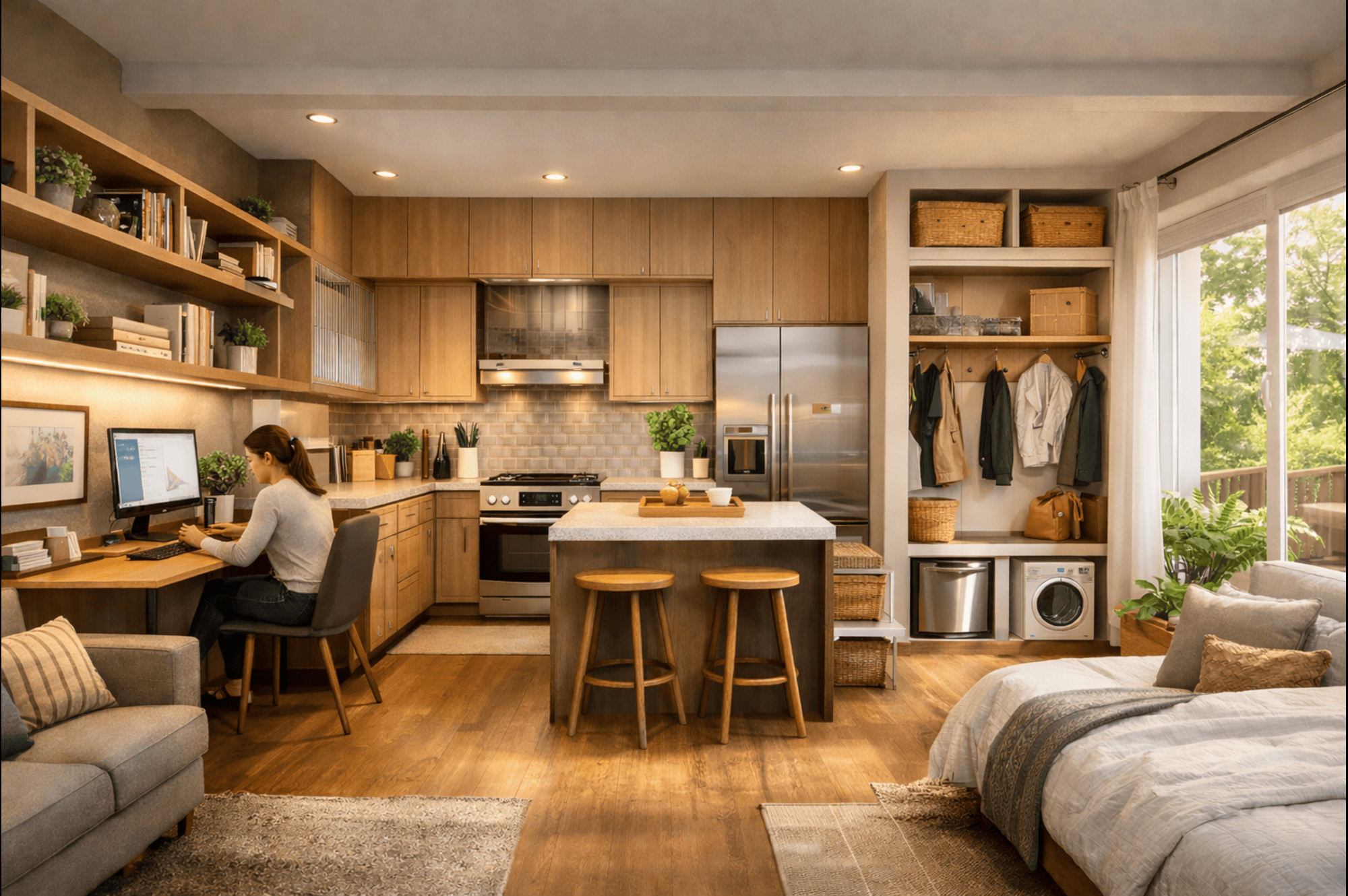
I have seen buyers look for spaces that make logical sense. A well-planned bonus room that can serve as a home office or guest bedroom. A kitchen island positioned to allow smooth movement rather than blocking pathways. These are not flashy features, but getting them right separates homes that feel like they work from homes that just exist.
What’s moving up are homes with defined, multipurpose spaces. A true mudroom with built-in storage. A kitchen laid out so two people can cook without collision. A dry balcony next to the kitchen for practical utility needs. Bedrooms placed away from high-traffic zones so that people can have their me time. These sound basic, but they reflect how people actually use their home.
Kitchens and Storage: The Non-Negotiables
Kitchens still anchor buying decisions, but the criteria have become more practical. Buyers are asking for counter space that actually fits their appliances, cabinets that close properly and enough electrical outlets that do not have to run extension cords to the toaster.
What buyers really want is proper utility planning. A dry balcony with dedicated setup for a washing machine, dryer and dishwasher. Counter space that accounts for daily appliances. Storage designed to keep essentials accessible without cluttering the workspace. This means they want kitchens that function before they impress. Clean finishes, usable layouts and enough storage to avoid immediate renovations. A kitchen that looks updated but requires no work to move in has a measurable edge over one that is charming but outdated.
Storage, more broadly, has become a quiet battleground. Walk-in pantries, linen closets and built-in shelving are among the first things buyers measure when they walk a home.
Energy, Light, and Air: The New Essentials of Move-In Ready
Energy efficiency has become more than a cost-saving measure, it signals how well a home has been planned and maintained. Buyers today look for double-glazed windows, quality insulation, and efficient climate control systems not just to lower monthly bills, but as proof that the home was built with care and will deliver fewer surprises down the line.
But efficiency in 2026 extends beyond materials. Homes that receive plenty of natural light and cross-ventilation rely less on artificial lighting and air conditioning. Large windows and well-placed balconies allow sunlight to flood indoors during the day and improve air circulation throughout the space. This reduces energy consumption while supporting mental well-being such as natural light and fresh air are proven mood boosters that contribute to overall wellness.
Biophilic design has moved from trend to expectation. Buyers want homes that integrate greenery such as indoor plants, vertical gardens, or terrace plantings to create a fresh, calming environment. In dense urban settings where green spaces are shrinking, bringing nature indoors helps residents stay connected to the natural world while purifying the air and enhancing the home’s atmosphere.
Amenities Driving Buyer Decisions
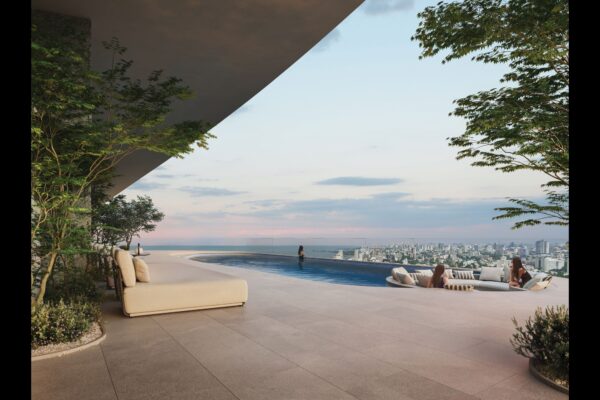
Modern buyers evaluate amenities by how often they will actually use them. The shift is toward spaces that support daily wellness and genuine community interaction. Fully equipped gyms, yoga rooms, and rooftop jogging tracks allow residents to integrate fitness into their routine without external memberships. Co-working lounges have become essential for professionals seeking quiet, productive environments close to home. Green spaces such as terrace gardens, sensory gardens and outdoor gathering areas offer therapeutic value in dense urban settings where access to nature is limited. Buyers are prioritizing amenities that add real convenience like multipurpose sports courts, barbecue decks and community libraries over decorative features that sit unused.
The homes succeeding in 2026 are not chasing aesthetics for their own sake. Buyers in 2026 want homes that solve problems quietly, support their routines without friction, and feel like they were designed by someone who understands how real life unfolds.
Tags