Doorstep Fuel Delivery as a Game Changer for India’s Logistics Ecosystem

by Adnan Kidwai, CEO, FuelBuddy
The traditional image of a heavy-duty truck or a massive power generator involves a cumbersome journey to a crowded petrol pump, navigating narrow city streets and idling in long queues. However, India’s logistics landscape is currently undergoing a quiet but profound transformation. The emergence of doorstep fuel delivery is moving beyond a mere convenience, evolving into a strategic pillar that is redefining how the country moves goods and powers its industries.
Eliminating the Efficiency Drain
For decades, the “last mile” of fuel procurement was a significant drain on productivity. Logistics companies faced a recurring dilemma: every kilometer a vehicle traveled off-route to find a refueling station was “dead mileage”—a waste of fuel, time, and labor. By bringing the fuel directly to the fleet at their hubs or warehouses, this innovative model eliminates that inefficiency entirely. It allows logistics managers to optimize their schedules with surgical precision, ensuring that drivers spend their hours on the road making deliveries rather than hunting for diesel.
Driving Transparency through Technology
Beyond the clock, the shift to mobile refueling addresses a long-standing headache in the industry: fuel pilferage and lack of transparency. Modern delivery services are not just about transport; they are mobile data hubs. When fuel is delivered via automated, IoT-enabled mobile bowsers, every drop is accounted for. Real-time monitoring and digital billing provide a level of data integrity that traditional manual refueling simply cannot match. This transparency is a breath of fresh air for fleet owners, who can now track consumption patterns and cut down on hidden costs.
Safety and Environmental Stewardship
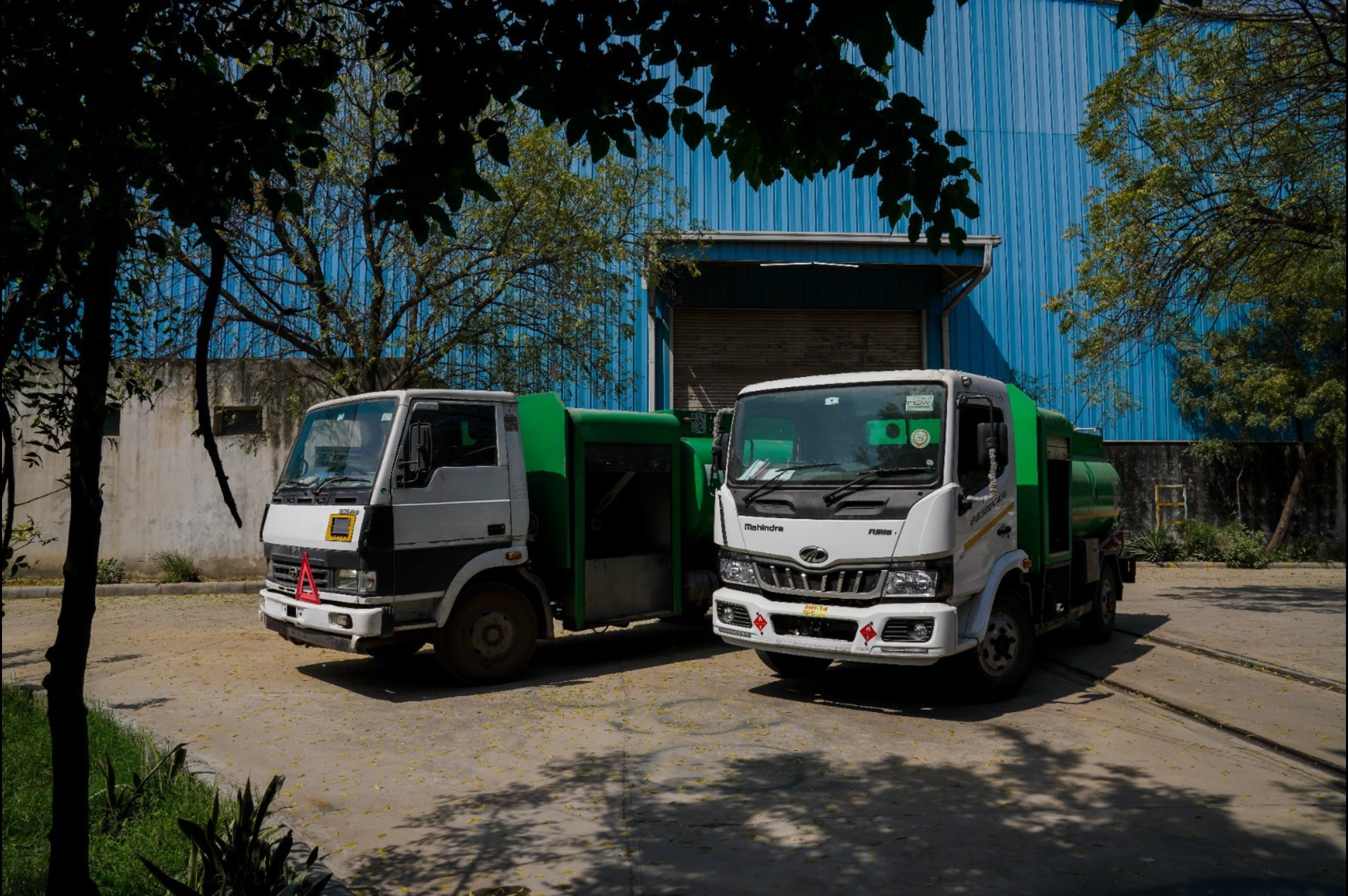
Environmental and safety considerations also play a leading role in this evolution. Traditional methods of transporting fuel in barrels or jerry cans are fraught with risks, from accidental spills to fire hazards. Doorstep delivery services utilize specialized vehicles designed with high-grade safety standards and spill-containment technology, significantly reducing the environmental footprint of fuel handling. Furthermore, by reducing the number of heavy vehicles maneuvering through congested retail outlets, this model helps ease urban traffic and lowers the overall carbon emissions associated with unnecessary idling.
Empowering a New Breed of “FuelEnts”
This ecosystem is also fostering a new class of entrepreneurs known as “FuelEnts.” Supported by government policies and partnerships with major Oil Marketing Companies (OMCs) like IndianOil and Jio-bp, startups such as FuelBuddy and Repos Energy are scaling rapidly. These players are leveraging PESO-approved mobile dispensing units to reach remote construction sites, telecom towers, and mining pits where traditional petrol pumps are scarce. This democratized access to energy is acting as a lubricant for the gears of the economy, ensuring that even the most remote operations stay powered.
As India continues to build its infrastructure and expand its manufacturing base, the demand for reliable energy access will only intensify. Doorstep fuel delivery is bridging the gap between energy supply and operational demand, proving that a simple shift in delivery logic can spark a massive gain in systemic efficiency.
Tags