
Can Technology Remove Walls of Isolation in The Construction Industry?

by Harsh Pareek, Vice President, Direct Sales, Asia-Pacific, Trimble
Seamless coordination between office teams and field crews is becoming critical for modern construction projects. By connecting workflows through digital site management solutions, contractors can improve communication, minimise rework, enhance productivity, and ensure projects are delivered safely, on time, and within budget
On a civil construction site, work can be very dispersed. Outside parties, including design engineers, inspectors and subcontractors are frequently involved in projects. Internal team members also require access to the appropriate information at the appropriate time due to their various roles and responsibilities.
Despite the diverse tasks on a building site, everyone shares the same goal: Deliver great projects on schedule, on budget and safely. However, office and field teams typically spend a lot of time chasing down information, locating equipment or dealing with rework all of which limits their ability to attain that shared goal.
Time wastage and fragmentation can be minimised by connecting the site and office. Connecting workflows throughout the construction lifecycle can enhance visibility, boost productivity, and allow contractors to guarantee high-quality work from beginning to end, according to the blog “The transformative power of connecting the office and jobsite.” This blog sheds light on how civil contractors have connected their offices and jobsites throughout the project lifecycle to increase communication and revolutionise their operations.
Ensuring All Parties Are in Sync
The Peace River Hydro Partners joint venture used Trimble technology to build a dam and hydroelectric generating facility, a project that required many earthmoving shifts. They stopped sending in-field scanning data to the office using USB flash drives after identifying gaps in the data flow between the field and the office. Rather, they used Trimble’s site management software to expedite the procedure.
Connecting workflows across the office and jobsite ensured that everyone was aware of what was going on at all times. As-built data was collected by machines fitted with Trimble Earthworks. Teams used a laptop or mobile device to access the machines at the end of the day and retrieve the data using Trimble WorksManager software. Next, they compared the project’s progress to the 3D model using Trimble Business Centre. Project management teams would identify high spots and upload updated excavation designs after analysing the field data, allowing foremen to quickly identify locations that required attention.
This information exchange established a time-saving link between the day and night shifts. Foremen understood exactly what had previously been excavated, and rework was nearly eliminated. Work progressed smoothly; no one was unsure what to focus on next. And the project management team was able to keep up with the excavation crew’s process.
Operators swiftly adopted this new computerised approach, according to Survey General Foreman Rory Prendergast. “Their work progress is fluid, no starts and stops, or confusion about where to work; there’s no downtime.”
Making Project Management More Efficient
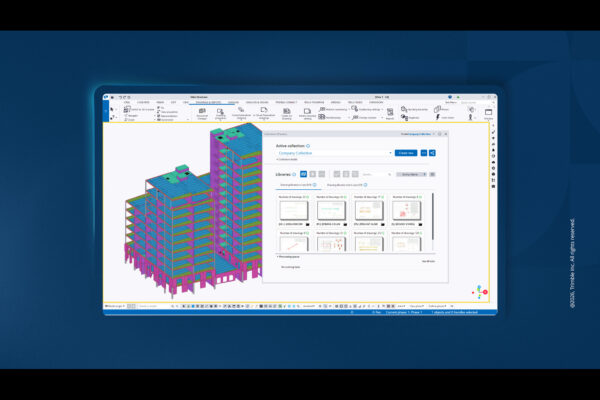
Modern site management software has made projects a lot more efficient by making it easy for office staff and field crews to work together. Companies can get the most up-to-date information right away for everyone who needs to know about a project by digitising designs and storing them in a centralized system. The ability to share updates in real-time gives an opportunity for teams to quickly adjust design changes, operational issues, or any issue that may arise at the site.
This smooth flow of information cuts down on delays caused by data transfer by hand and makes sure that all stages of construction are more accurate. Field operators have access to the most current data, so they can make better decisions based on current conditions, while management will have better visibility of where things stand with respect to progress, maintenance, and overall project performance. Features like proactive maintenance planning and remote troubleshooting can reduce downtime and stop small problems from getting worse.
Overall, integrating digital tools into project workflows enhances collaboration, boosts productivity, and enables faster, more informed decision-making, ultimately leading to more efficient project execution.
Stay Connected and in Control of Your Projects
Using site management software to link the office and field facilitates improved decision-making, enhances communication, and keeps projects on schedule and within budget. You may choose solutions that fit your current workflows and grow with your needs thanks to the Trimble site management software portfolio. Discover more about using the Trimble site management software portfolio to securely connect your office and jobsites.
Tags