Building the Cities of Tomorrow: How AI-Enabled Elevators Power Seamless Urban Mobility

by Manish Mehan, CEO & MD, TK Elevator India
India’s urban transformation is unfolding at an unprecedented pace. As cities expand vertically to accommodate growing populations and limited land availability, the conversation around urban mobility must evolve beyond roads, metros, and public transport. According to United Nations projections, nearly 40% of India’s population will live in urban areas by 2030, intensifying pressure on infrastructure systems that support daily movement. One such system, often overlooked but critical to urban functionality—is vertical mobility.
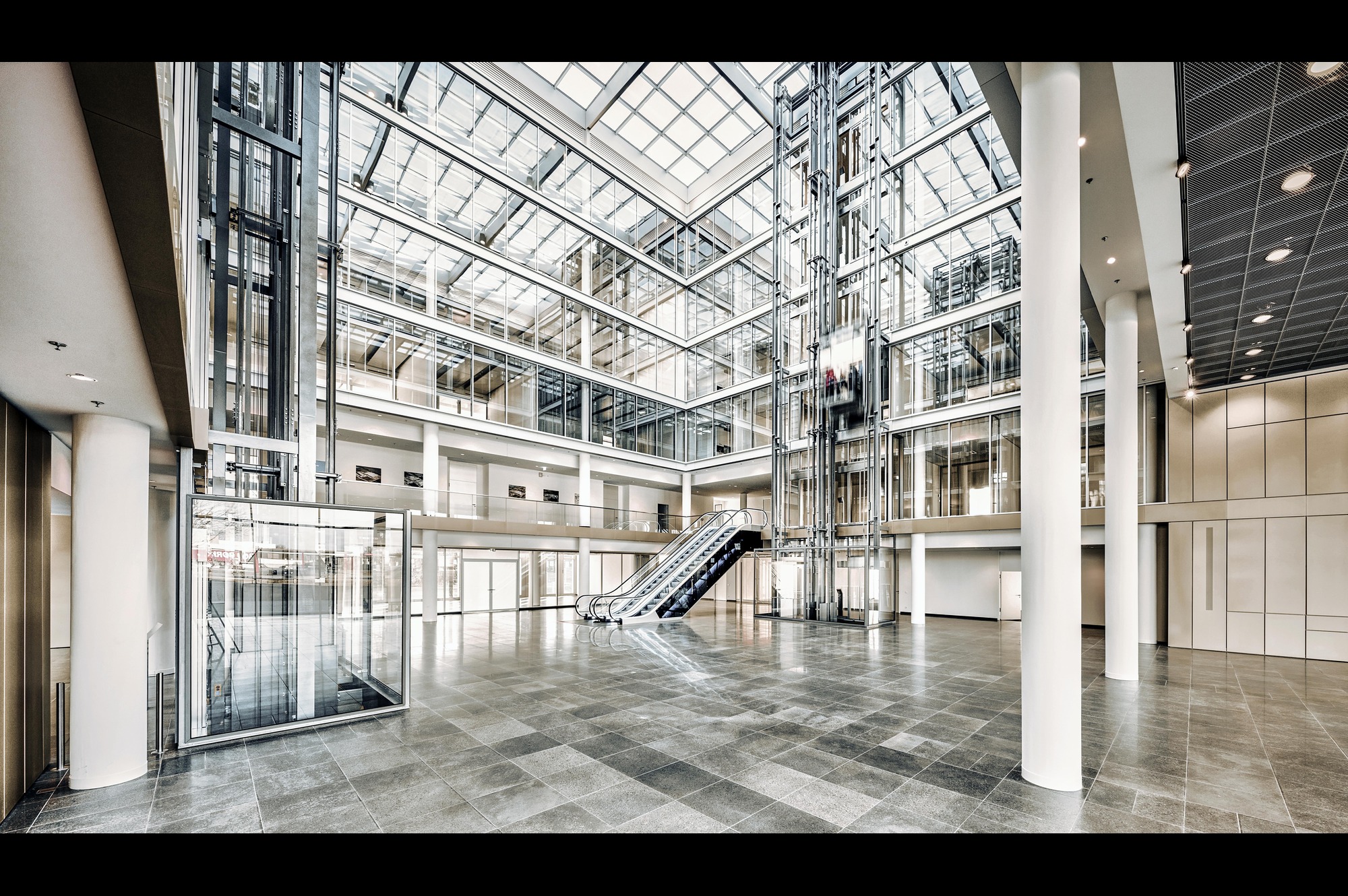
High-rise residential towers, commercial complexes, hospitals, and mixed-use developments are now central to India’s real estate and smart city growth. In these settings, elevators have evolved beyond basic building services to function as critical mobility infrastructure. The integration of Artificial Intelligence (AI) into elevator systems is redefining how people move within buildings, enabling safer, more efficient, and more sustainable urban living.
Vertical Mobility: A Growing Urban Imperative
India’s urban population is expected to approach 600 million by 2030, driving a surge in high-density developments across major metros and emerging cities alike. As buildings grow taller, the volume of daily vertical trips rises exponentially. Inefficient elevator systems, marked by downtime, congestion, or excessive energy consumption can directly impact productivity, accessibility, and user experience.
Just as road congestion disrupts city movement, poor vertical mobility can paralyse large buildings. For real estate developers, city planners, and policymakers, ensuring seamless movement within buildings is now a strategic priority aligned with broader smart city objectives.
From Reactive Maintenance to Predictive Intelligence
Conventional elevator systems typically rely on scheduled or reactive maintenance, addressing issues after faults occur. In high-traffic buildings, this approach can lead to service disruptions, safety risks, and higher lifecycle costs.
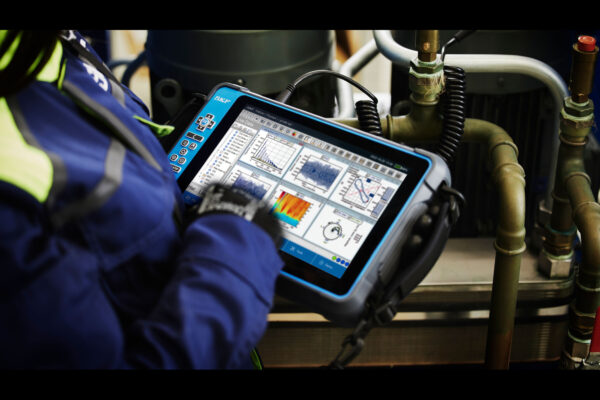
AI-enabled elevator systems represent a significant shift toward predictive, data-driven operations. Using IoT-enabled sensors, real-time analytics, and machine learning algorithms, these systems continuously monitor critical components such as motors, doors, cables, and control units. By analysing parameters like vibration, temperature, and usage patterns, AI can detect early warning signs of wear or malfunction.
This predictive capability allows maintenance teams to intervene before failures occur, reducing unplanned downtime and improving system availability. For large commercial and residential developments, this translates into improved reliability, enhanced safety, and better asset management.
Optimising Operations in Smart Buildings
AI-driven insights also support more efficient building operations. Maintenance becomes condition-based rather than calendar-driven, extending the lifespan of key components and lowering long-term operational costs, an important consideration for developers and facility managers.
Importantly, AI-enabled elevators integrate seamlessly with Building Management Systems (BMS) and access control platforms. This enables features such as intelligent destination control, touchless operation, and mobile-based access, capabilities increasingly valued in modern, health-conscious, and digitally connected buildings.
For smart city planners, such integration supports a holistic approach to infrastructure, where vertical mobility functions as part of a connected urban ecosystem rather than an isolated system.
Advancing Energy Efficiency and Sustainability Goals
Sustainability is now central to urban policy and real estate development. Buildings account for nearly 40% of global energy consumption, and elevators contribute a significant share in high-rise structures. AI-enabled elevators play a critical role in reducing this impact.
Through adaptive algorithms, elevators can optimise traffic flow, adjust speeds based on demand, and enter energy-saving modes during low-usage periods. Regenerative drive technologies further enhance efficiency by capturing energy generated during downward travel and feeding it back into the building’s power system.
Building Resilient Cities from the Inside Out
The future of urban mobility must account for both horizontal and vertical movement. As India’s cities grow taller, intelligent vertical transportation will be essential to ensuring accessibility, safety, and sustainability.
AI-enabled elevators are transforming buildings into smarter, more resilient environments—enhancing user experience while reducing environmental impact and operational risk. The elevator is no longer a mechanical utility; it is a strategic, data-driven mobility asset that supports the goals of smart cities, sustainable real estate, and inclusive urban growth.
As India builds the cities of tomorrow, integrating intelligence into vertical mobility will be key to creating urban environments that are efficient, future-ready, and people-centric—elevating not just buildings, but urban life itself.
Tags