Beyond Metros: How Industrial Parks in Tier-2 Cities are Redefining India’s Growth Story

by Santosh Agarwal, CFO & Executive Director, Alpha Corp Development
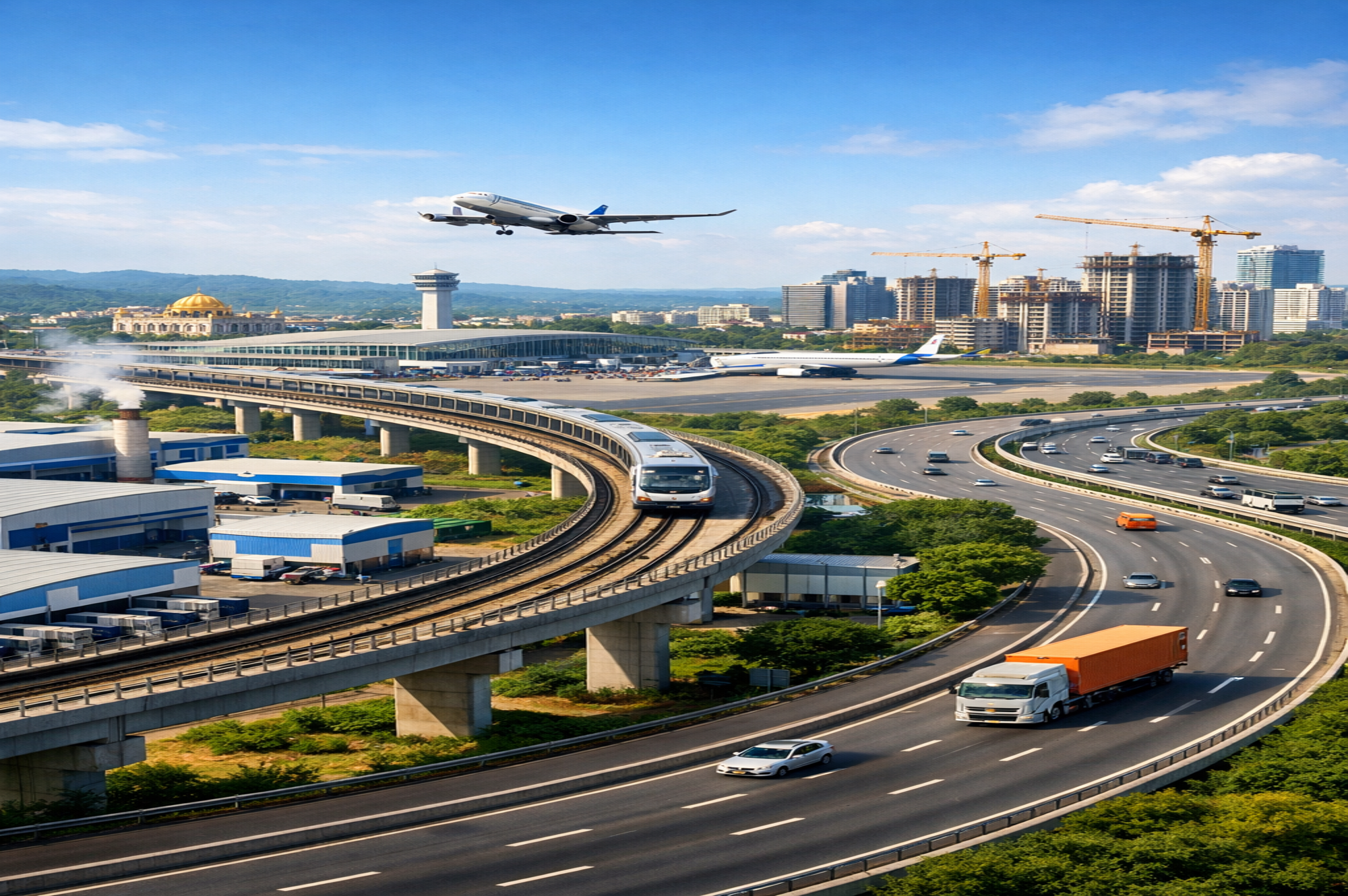
As India enters a new decade of economic transformation, a powerful shift has been shaping its growth trajectory. Emerging cities are becoming focal points of investment, infrastructure, and innovation, redefining the landscape of real estate, employment, and enterprise. Infrastructure development, long regarded as the foundation of economic progress, continues to catalyse this evolution. From expressways and airports to metro rail and freight corridors, each project accelerates urban development, with the real estate sector often being the first to reflect its impact.
According to a CREDAI-Liases Foras report covering 60 Indian cities, 44 per cent of the 3,294 acres of land acquired by real estate developers in 2024 was concentrated in Tier-2 and Tier-3 hubs – clear evidence of their growing importance. This decentralised expansion is not merely reactive but a strategic move in line with India’s ambition to build distributed industrial corridors.
Cities like Amritsar, Jaipur, Lucknow, and Indore are benefitting from improved road, rail, and air connectivity under flagship central schemes, such as Bharatmala and PM Gati Shakti. These cities are now well-placed to serve as feeder locations and regional supply chain anchors – particularly for MSMEs, contract manufacturers, and domestic distribution networks.
Smart, Sustainable, Plug-&-Play Parks
India’s economic boom, powered by a growing middle class, has nearly doubled household consumption to $2.1 trillion over the past decade. Meeting much of this demand are the country’s 64 million micro, small, and medium enterprises (MSMEs), which contribute about 30 per cent to the national GDP. With consumption projected to exceed $4 trillion by 2030, MSMEs are poised for further growth – especially in Tier-2 and Tier-3 cities that offer lower operational costs and increasing market access.
A key enabler of this expansion is the emergence of plug-and-play industrial parks, which provide ready-to-use infrastructure – including pre-approved land parcels, utility connections, and integrated logistics access. These parks significantly reduce time-to-market, boost operational efficiency, and enhance overall productivity. Such developments are playing a pivotal role in strengthening India’s manufacturing ecosystem, especially for MSMEs, by resolving long-standing obstacles related to land purchase, power availability, and transport connectivity.
In tandem with this growth, Tier-2 cities in North India are witnessing a surge in organised real estate activity, driven by a lower demand-supply imbalance, rising interest in quality housing due to the work-from-home shift, and fewer migrant labour challenges compared to metros. These cities also faced minimal construction disruptions during the pandemic and continue to offer higher profit margins for developers, thanks to lower land acquisition costs. While property prices are gradually rising, they remain significantly more affordable than those in India’s top ten cities—making these regions attractive for both businesses and end-users alike.
MSMEs benefit from strategic advantages in these cities: affordable land, lower wages, and reduced utility expenses enable reinvestment into innovation and growth. As purchasing power rises in smaller cities, industries like food processing, textiles, and e-commerce are expanding beyond metro boundaries. Government incentives – tax benefits, subsidies, and simplified loan schemes – further ease entry for businesses.
Industrial Momentum Across Amritsar
Beyond the South and East, Amritsar in Punjab is fast emerging as a northern powerhouse in the Tier-2 industrial story. Its strategic location near the India-Pakistan border, excellent highway and rail connectivity, and an international airport positions it as a future-ready logistics and manufacturing hub. A skilled and semi-skilled workforce – nurtured by industries like textiles, tourism, and agriculture – adds to its appeal.
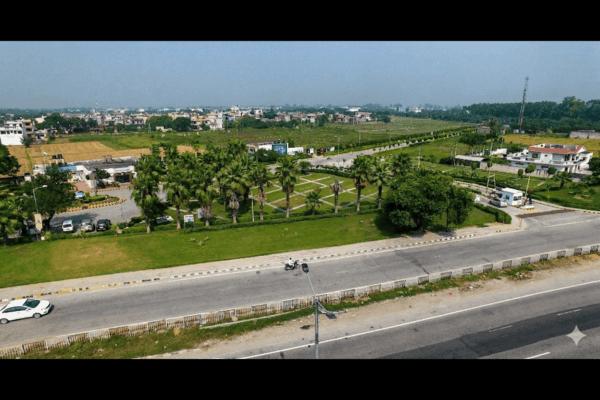
The Model Industrial Park (MIP) in Amritsar, spanning across 132 acres on Mehta Road, is a forward-looking development designed to provide robust infrastructure typically seen in larger industrial zones. Located adjacent to the Focal Point industrial zone and less than 10 km from the Golden Temple, MIP provides direct access to NH 22. Its modern amenities—tree-lined roads, ample parking, rainwater harvesting, uninterrupted utilities, 24×7 security, and solid waste management—create an enabling ecosystem for enterprises.
Complementing this shift is the rise of plug-and-play parks within integrated townships -offering pre-approved, scalable facilities that address legacy challenges, such as fragmented land, permit delays, and infrastructure gaps. Together, these developments are positioning Amritsar as an emerging hub for modern, cost-efficient manufacturing.
Government support is playing a catalytic role in advancing India’s industrial and logistics ecosystem. Delhi has outlined plans for three new industrial and logistics hubs aimed at strengthening supply chain connectivity and reducing urban congestion.
The Road Ahead
Industrial parks in Tier-2 cities are no longer peripheral players in India’s growth journey – they are central to its future. These hubs are more than real estate assets; they are catalysts for structural transformation, fostering entrepreneurship, creating jobs, and integrating India more closely with global value chains. With continued policy support, innovative planning, and strong infrastructure, these cities are poised to redefine India’s economic geography. As the focus shifts beyond metros, Tier-2 industrial parks are laying the foundation for a more balanced, inclusive, and globally competitive India.
Tags