
Aligning with Global Mining Norms: India’s Opportunity to Lead Through ICMM Principles

by Dr Shruti Sharma Rana, Associate Professor, TERI School of Advanced Studies
In an era defined by sustainability and accountability, the mining sector stands at a crossroads — where economic growth must meet environmental responsibility and social inclusivity. For India, one of the fastest-growing economies with an ambitious vision for infrastructure and industrial expansion, this intersection presents both a challenge and a tremendous opportunity. As the country aspires to become a global hub for responsible mining, aligning with globally accepted frameworks like the International Council on Mining and Metals (ICMM) principles is no longer optional, it is imperative.
Why ICMM Matters for India
ICMM, a global industry body representing the world’s leading mining companies, has established a robust set of ten principles that define ethical, sustainable, and inclusive mining. These principles span key areas such as environmental stewardship, human rights, health and safety, community engagement, and transparent governance. Adhering to these principles is not only about enhancing a company’s reputation, it’s about building a future-ready business that can operate with resilience, adaptability, and integrity.
India’s induction into this global framework began with a landmark moment in 2025, when Hindustan Zinc became the first Indian mining company to join ICMM. This wasn’t merely a badge of honour – it signaled that Indian mining could meet and exceed global benchmarks in ESG performance. It set the tone for the entire sector to rethink its practices, measure impact, and embrace transparency.
Unlocking the ESG Advantage
Globally, investors, regulators, and customers are demanding greater ESG (Environmental, Social, and Governance) compliance. In this context, the ICMM principles offer a comprehensive roadmap for mining companies in India to build trust and secure long-term value.
For instance, Principle 6 emphasizes “pursuing continual improvement in environmental performance issues, such as water stewardship, energy use and climate change.” In a country where water scarcity is a critical concern and climate vulnerabilities are rising, this principle alone can transform how mining companies operate, from using recycled water in operations to reducing carbon intensity through renewable energy integration.
Similarly, Principle 3 focuses on upholding human rights and respect for Indigenous and local communities. In the Indian context, where mining often takes place near tribal and rural communities, this translates into active community engagement, transparent communication, and ensuring that the benefits of mining — including education, jobs, and infrastructure — are shared equitably.
Raising the Bar for Responsible Mining
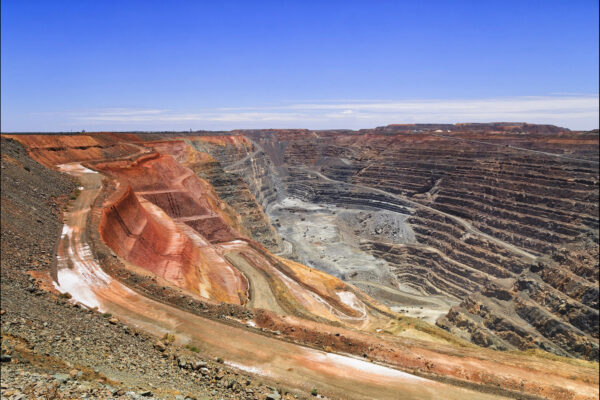
India’s mining landscape has traditionally been fragmented, with varying standards of governance and environmental performance. However, with the increasing global focus on critical minerals, rare earths, and energy security, Indian mining is at the cusp of transformation. What’s needed now is a sector-wide commitment to globally accepted standards, backed by measurable outcomes.
ICMM’s principles offer that standard. From ensuring the safety and well-being of workers to setting measurable targets for emissions reduction, it provides a structure that is both rigorous and adaptable. Importantly, it encourages public disclosure of progress, enabling stakeholders to hold companies accountable.
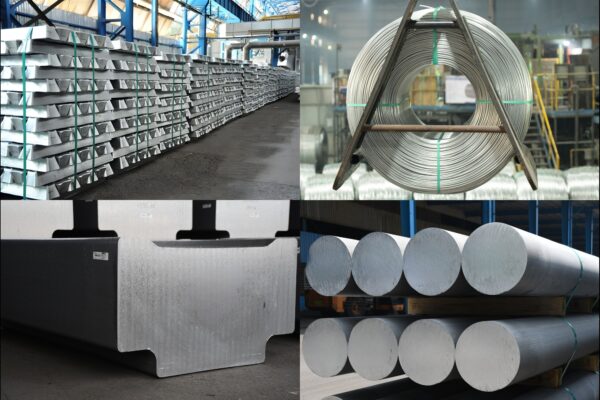
Some forward-looking companies are already showing the way. By integrating these principles into their day-to-day operations, they are redefining what it means to mine responsibly. Whether it’s through AI-led digital control rooms that reduce human exposure to high-risk environments or the use of renewable energy in smelting operations, Indian companies are starting to lead through innovation.
Mining in a Just and Inclusive Future
As India aims to become a $5 trillion economy, demand for raw materials will grow exponentially. But this growth cannot come at the cost of environmental degradation or community displacement. A “just transition”- one that ensures equitable economic development while safeguarding the planet which is the need of the hour.
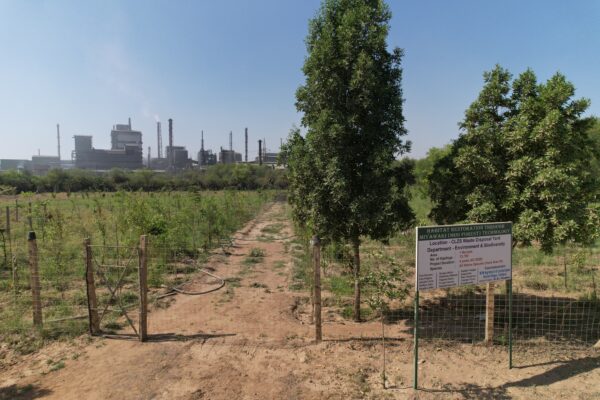
The ICMM principles recognize this, advocating responsible mine closure plans, biodiversity protection, and inclusive economic development. For India, implementing these principles means creating a mining sector that is not only efficient but also empathetic – one that values people, planet, and profit equally.
The Way Forward
Policy support from the government will be critical in mainstreaming ICMM-aligned practices. Incentivizing companies that demonstrate ESG leadership, ensuring clear and consistent regulations, and fostering industry-academia collaboration for innovation can all accelerate this transition.
Moreover, consumer awareness is growing. From electric vehicle manufacturers to clean tech companies, downstream buyers now prefer minerals sourced from ethical, traceable supply chains. Indian mining companies have a unique opportunity to leverage ICMM principles not just as compliance tools, but as competitive advantages in global markets.
India’s mining sector is poised for a redefinition – one that aligns ambition with accountability. By embracing the ICMM principles, Indian companies can set a gold standard for ethical mining in the Global South. This is not just about global alignment; it’s about national leadership.
Mining built on the pillars of sustainability, safety, and social responsibility is not only possible, but essential. As the world watches, India can show how responsible mining can fuel inclusive growth, preserve ecosystems, and empower communities and all while powering the industries of tomorrow.
Tags