Fluke Launches FEV500 for DC EV Charger Testing

Fluke Corporation has launched Fluke FEV500, an all-in-one testing solution designed specifically for fast DC Level 3 EV charging stations. As reliability remains a key consideration for India’s rapidly expanding EV charging infrastructure. Recent industry findings indicate that 72% of EV users in India have experienced issues with charging station uptime or connectivity, underscoring the importance of ensuring that the country’s growing network of high-powered chargers delivers consistent, safe and reliable performance.
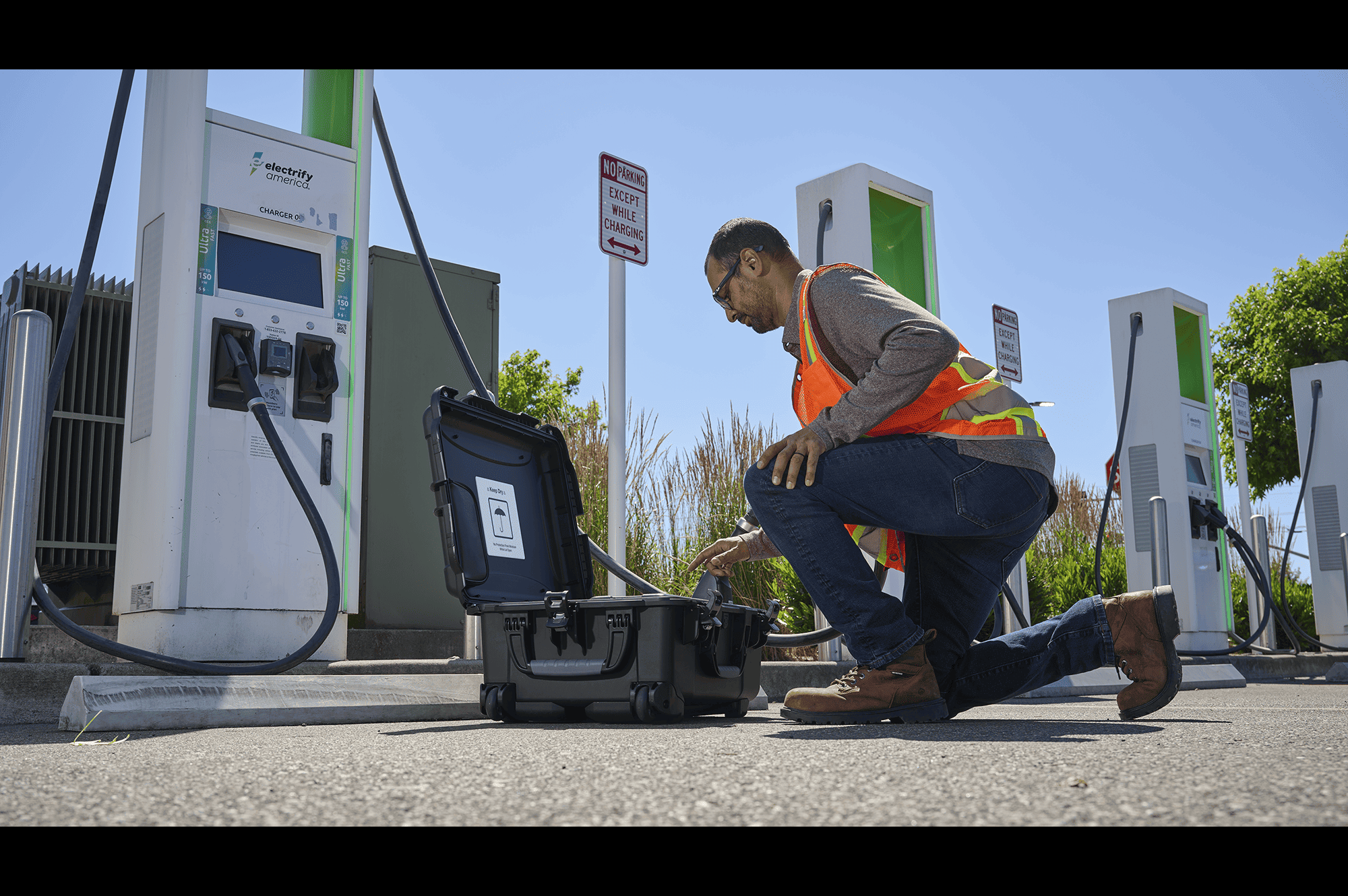
The FEV500 acts like a virtual electric vehicle, enabling technicians in the field to quickly perform comprehensive safety and operability tests on-site without the cost, complexity, or uncertainty of using an actual EV, helping ensure charging stations remain safe and importantly fully operational.
“With the Government of India targeting 1.32 million EV charging stations by 20301, the challenge is no longer just deploying chargers, it is ensuring they operate reliably every day.
With industry reports highlighting that nearly 40% of chargers are unavailable and 25% experience frequent downtime, the Fluke FEV500 was designed to bridge the gap between installation and reliable operation. By improving charger validation, safety, and uptime, FEV500 helps build the trust required for EV adoption at scale,” said Dr. Utsav Sharma, Product Manager, Fluke Technologies Pvt. Ltd.
As the DC charging station network scales, safety, reliability and interoperability shift from technical considerations to commercial ones determining uptime for operators, confidence for fleets and trust for consumers.
The FEV500 makes testing more efficient by replacing the need for multiple tools – including a digital multimeter, insulation tester, and oscilloscope – while also providing technicians with guided instructions on critical testing criteria.
Tags