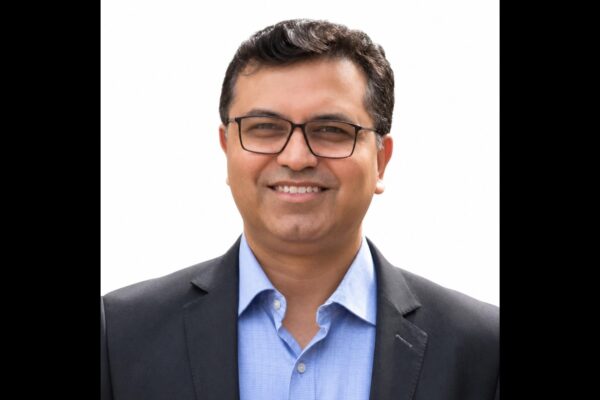
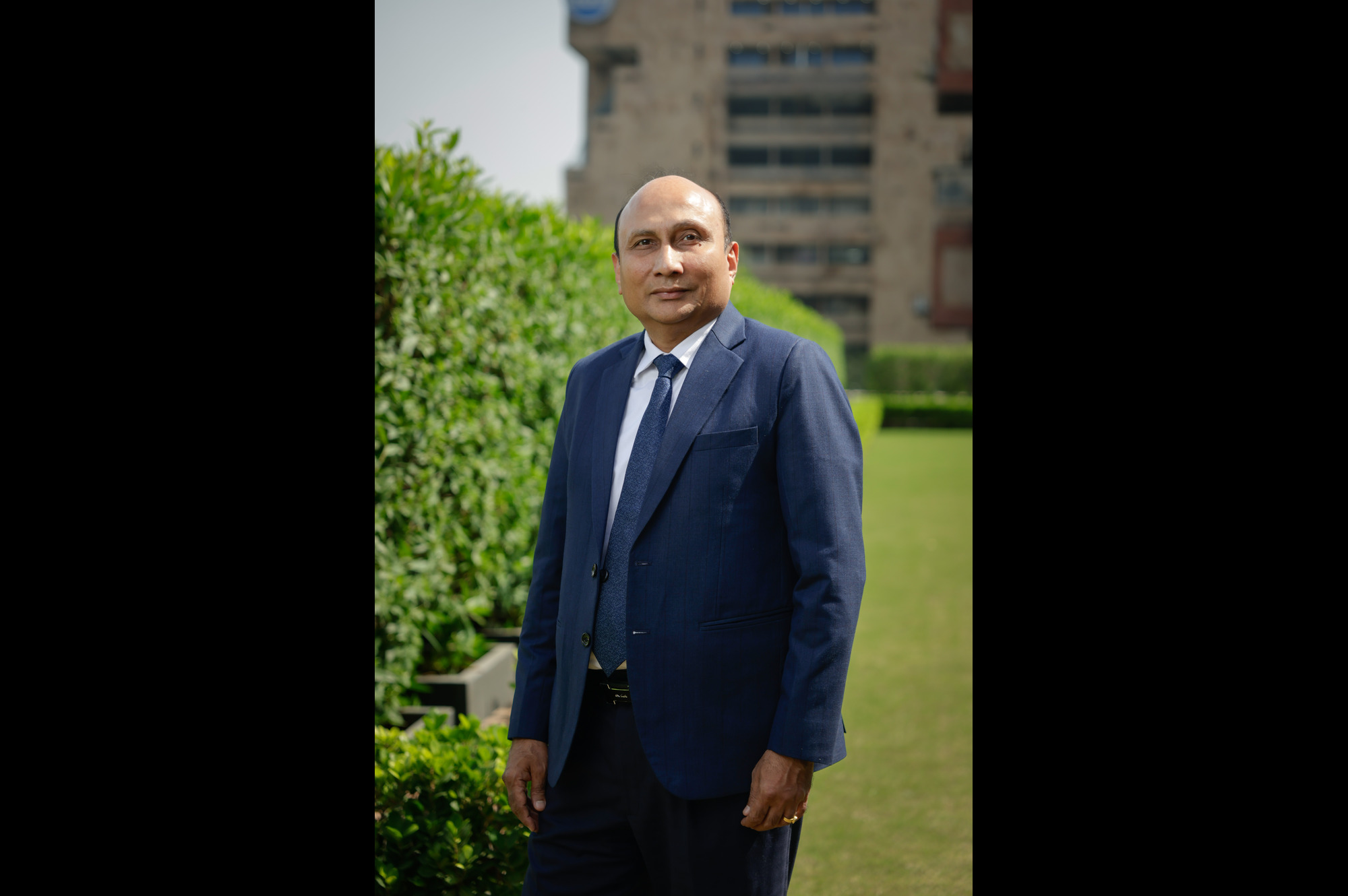
Interview: Tarun Khulbe, CEO, Jindal Stainless

We have set a goal of 50% reduction in our carbon footprint by 2035 and net-zero emissions by 2050, supported by a committed investment of INR 700 crore towards sustainability initiatives
What are your key takeaways from Budget 2026–27 for the steel sector?
The recent Union Budget presents a growth-focused roadmap for India, reinforcing the nation’s economic momentum while remaining firmly anchored in self-reliance and long-term resilience. This direction is even more important today, in the context of evolving global geopolitical uncertainties. The Budget’s strong emphasis on infrastructure backed by a capital expenditure allocation of INR 12.2 lakh crore, along with its continued focus on priority sectors such as logistics, green and sustainable manufacturing, and defence, is encouraging. The support measures announced for MSMEs are particularly reassuring, as these enterprises form the backbone of the manufacturing ecosystem. Initiatives such as the SME Growth Fund, the top-up to the Self-Reliant India Fund, and simplified compliance norms will help strengthen the entire value chain. These measures will not only provide sustained economic momentum but also catalyse employment, strengthen India’s manufacturing capabilities, and drive long-term value creation. From a manufacturing and sectoral standpoint, the focus on infrastructure, sustainable manufacturing, and strategic segments such as Defence creates meaningful opportunities for domestic industry to contribute to India’s growth ambitions. In this context, the continuation of basic customs duty exemptions on select critical raw materials is a positive step. Overall, the Budget instils confidence in India’s manufacturing sector to invest, innovate, and enhance its global competitiveness.
Which policy interventions could further strengthen domestic steel manufacturing and competitiveness?
The domestic steel and stainless steel industry has benefited from several positive policy interventions over the years, and we appreciate the government’s continued engagement on this front. There are a few critical areas where sustained policy support can further strengthen domestic manufacturing and global competitiveness. First, strengthening quality through robust regulatory frameworks. The Quality Control Orders (QCOs) has been a meaningful step in curbing substandard imports and ensuring that only certified, safe, and quality material enters the Indian market. A strong standards ecosystem, supported by BIS norms and effective enforcement, is vital to safeguarding consumer trust, public safety, and the long-term competitiveness of domestic manufacturers. There’s a need to ensure consistent and mandatory compliance with these measures for all importers, as any dilution risks undermining consumer safety as well as investors’ confidence. Second, fostering an enabling environment for domestic manufacturing. Measures aimed at reducing logistics costs, encouraging R&D, and further streamlining ease-of-doing-business processes can significantly enhance competitiveness while fostering innovation across the value chain.
Equally important is ensuring secure, reliable, and affordable access to raw materials. For the stainless steel industry in particular, critical inputs such as nickel, chromium, and molybdenum remain scarce or unavailable domestically. Policies that facilitate backward integration, promote investment in domestic mining, and improve the availability and affordability of these materials will reduce import dependence and strengthen supply-chain resilience. In this context, in addition to inclusion of Nickel in the Critical Minerals Policy, adding chromium and molybdenum, along with a focused approach to scrap securitisation, would be important steps forward. Enhanced institutional support for MSMEs, who form the backbone of the stainless steel manufacturing ecosystem and contribute significantly to constant innovation and employment, also remains an imperative. Simplified licensing, targeted skilling programmes, and structured capability-building initiatives would help smaller producers navigate regulatory requirements and transition smoothly towards quality-led sectoral growth, thereby strengthening the overall integrity of the industry. Finally, policy consistency and long-term visibility are crucial to sustaining investment and capacity expansion. A stable and predictable policy environment encourages domestic producers to invest with confidence and aligns with the broader objectives of Make in India and Atmanirbhar Bharat. In this regard, the stainless steel sector would benefit from a dedicated National Stainless Steel Policy, similar to the National Steel Policy, to provide sharper focus and long-term stability for the industry’s growth. Collectively, these measures will strengthen the foundation of domestic steel manufacturing and enable the industry to play a pivotal role in India’s long-term growth and self-reliance.
How do you assess the demand outlook for the steel sector in FY26-27, particularly from infrastructure, construction, and manufacturing?
Steel and stainless steel demand is intrinsically linked to economic growth, rising discretionary consumption, and sustained government-led development. As per recent government data, real annual GDP growth for FY 2025-26 is estimated at 7.6%,higher than the 7.1% recorded in FY 2024-25, while nominal GDP, measured at current prices, is projected to grow by 8.6% during FY 2025-26. Within this, the manufacturing sector has recorded double-digit growth in both FY 2023-24 and FY 2025-26, underscoring its role as a key contributor to India’s resilient economic performance and indicating healthy sectoral demand visibility in near and long term. Structural trends further reinforce this outlook. India’s steady economic expansion has driven higher discretionary spending, supporting growth in stainless steel-intensive sectors such as automobiles, consumer durables, real estate, to name a few. At the same time, increasing urbanisation and a sharper focus on safety and quality are structurally lifting stainless steel usage across applications. This momentum is further reinforced by the government’s sustained thrust on nation-building and self-reliance across critical sectors. Bold initiatives focused on infrastructure expansion, transit and mobility solutions, and logistics modernisation, including programmes such as PM Gati Shakti, continue to create strong structural demand tailwinds for the sector. In parallel, the rise of a sustainable economy, with focus on green energy, ethanol production, clean mobility etc., is emerging as a significant demand driver, given the high integration of stainless steel in these segments. Further, the steadyexpansion of processing industries and growing MSMEs adds another layer of structural demand. New manufacturing capacities, particularly in food processing, healthcare, pharmaceuticals, and allied sectors, are inherently stainless steel-intensive, reinforcing demand as these industries continue to scale up. Overall, the convergence of strong macro fundamentals, resilient manufacturing growth, rising consumption-led demand, and sustained government focus on infrastructure and strategic sectors gives us confidence in a healthy and sustainable demand outlook for the stainless steel.
What roadmap is your company following to transition towards low-carbon or green steel production?
Our approach to low-carbon stainless steel is anchored in a clear ESG framework that delivers value across three dimensions: Planet, People, and Prosperity. For the Planet, we are adopting low-carbon technologies such as large-scale scrap recycling and increasing integration of renewable energy. For People, stainless steel enables safer, more reliable, and longer-lasting solutions that support public welfare and critical infrastructure. And for Prosperity, we are moving up the value chain through higher-value, specialised applications. Together, these pillars guide our sustainability strategy. From a transition perspective, we have defined clear long-term milestones. We have set a goal of 50% reduction in our carbon footprint by 2035 and net-zero emissions by 2050, supported by a committed investment of INR 700 crore towards sustainability initiatives over the next few years. Operationally, we are integrating low-carbon stainless steel making practices and advancing circularity across our production processes. A substantial share of our raw material basket is derived from scrap and other recycled materials, resulting in one of the lowest carbon footprints for stainless steel in the industry. Additionally, our team has successfully implemented a range of decarbonisation initiatives, avoiding 76,595 tonnes of CO₂ emissions in FY24-25. Our focus is on ensuring that the incremental power required for the expansion of our existing projects and any near-term or future growth is increasingly met through renewable energy sources. This is done through investments in solar and wind hybrid projects, along with sourcing renewable power through open access mechanisms such as the Indian Energy Exchange (IEX). Towards this transition, some of the notable milestones include the commissioning of Green Hydrogen plants in Hisar and Jajpur, which contribute to lowering our overall process emissions. We have also signed a contract with ReNew Power to develop a utility-scale captive renewable energy project for supplying power to our Jajpur, Odisha facility. In addition, we partnered withmultiple other companies and signed long-term PPAs for sourcing green power that will displace more than 40% of conventional energy consumption across our units. Further strengthening this effort, we partnered with AB Energia Solutions. for the installation and commissioning of a pioneering solar energy project at our Jajpur unit, making it the largest captive rooftop & floating solar plant within a single industrial campus in Odisha. Collectively, these initiatives underscore our commitment to embedding low-carbon solutions across our operations while building a resilient and future-ready energy ecosystem.
How is digitalisation, automation, and AI improving operational efficiency and product quality in your plants?
Digitalisation, automation, and AI have become central to driving competitiveness in modern manufacturing, enabling operations to be safer, smarter, and more sustainable. At Jindal Stainless, our digital transformation strategy is built around the integration of IoT, advanced analytics, and AI/ML to enhance operational efficiency, product quality, and overall business resilience. A key pillar of this journey has been our progression towards Smart Factory 4.0, which entails end-to-end digitisation of our production ecosystem, from planning and scheduling across sales, plants, and supply chains to shop-floor execution. By leveraging sensors, analytics, condition-based maintenance, and AI-driven surface inspection systems, we are focused on improving quality consistency, asset uptime, throughput, and real-time decision-making on the shop floor. Another critical pillar is the scaling of AI across the enterprise. Through a dedicated AI Centre of Excellence, we are deploying fit-for-purpose AI use cases across manufacturing, sales, procurement, and R&D. The initiatives on this front are delivering real-time operational insights, sharper commercial intelligence, and accelerated innovation cycles, resulting into improved customer lead time, delivery performance, more accurate inventory planning based on historical off-take trends, service levels while optimising inventory costs. On the customer interface, digitalisation has enhanced transparency and ease of engagement. Our B2B platform, Stainless Mart, allows customers to access real-time order status, invoices, payment histories, and critical documents such as Material Test Certificates, strengthening trust and improving the overall customer experience. Together, these initiatives demonstrate how digitalisation and AI are not only improving operational efficiency and product quality, but also enabling a more responsive, data-driven, and customer-centric manufacturing organisation.
What are your company’s plans regarding capacity expansion and capital expenditure in the next three years?
To address the steadily growing demand for stainless steel across India’s critical sectors, capacity expansion supported by strategic capital investment remains a key priority for Jindal Stainless. Our growth plans are aligned with strengthening domestic manufacturing, expanding value-added capabilities, and enhancing long-term competitiveness. In this direction, we earmarked a strategic investment of INR 5,700 crore, towards the augmentation of our melting and downstream capacities, taking our total capacity from the current 3.0 million tonnes per annum (MTPA) to 4.2 MTPA by FY27. This expansion is being executed across three strategic levers. First, we entered into a joint venture to develop a stainless steel melt shop (SMS) in Indonesia, towards taking the company’s melting capacity from the current 3.0 to 4.2 MTPA in FY27. Second, we announced the expansion of our downstream facilities at Jajpur, Odisha, to efficiently process the higher volumes from increased melting capacity. Third, we acquired Chromeni Steels (CSL), towards augmenting our cold-rolled product capacity and strengthening our footprint in precision-driven applications. In addition, we also announced our Green Field project in Maharashtra with an INR 40,000 crore investments towards production capacity of 4 million tonnes per annum, in a phased manner. These initiatives are progressing well. Stainless steel, with its inherent advantages of corrosion resistance, durability, strength, and superior lifecycle performance, is poised to play a critical role in powering India’s infrastructure, railways and metro networks, white goods, and other strategic sectors such as defence and aerospace. Our capacity expansion roadmap is therefore designed not only to meet rising demand, but also to enable the country’s long-term development priorities through high-quality, sustainable, and value-added stainless steel solutions.
What strategic priorities will define your company’s growth and differentiation in the next three years?
Over the next couple of years, our growth strategy will continue to be guided by a clear set of strategic priorities focused on scale, value creation, market expansion, and ecosystem development. First, expanding production capacity remains a core priority to meet the rising demand for stainless steel across infrastructure, transit and mobility solutions, white goods, and strategic sectors. With our nation’s growing focus on these sectors, our industry has a huge opportunity to be able to contribute to the Viksit Bharat ambition. Our ongoing investments in melting and downstream capacities are designed to ensure reliability of supply, operational efficiency, and long-term competitiveness. Second, product diversification and a sharper focus on value-added offerings will play a central role in our differentiation. We are steadily increasing our presence in specialised, precision-driven, and high-performance stainless steel products tailored for advanced and emerging applications. This shift up the value chain aligns us with evolving customer needs across critical end-use sectors.
In addition, ensuring securitisation and reliable access to critical raw materials continues to be a strategic imperative for us, all the way more against the backdrop of evolving geopolitical dynamics. For us, and industry at large, raw material securitisation remains a key focus area, as it directly impacts supply continuity and long-term capacity planning. Our approach includes diversifying sourcing channels, strengthening long-term partnerships, and pursuing backward integration to build resilient supply chains, including steps such as commissioning our Nickel Pig Iron facility in Indonesia. These steps help mitigate external risks while supporting sustained growth and operational stability. We will also continue to deepen our engagement across end-use applications. Stainless steel’s inherent advantages such as durability, corrosion resistance, strength, and superior lifecycle economics make it indispensable for sectors where safety as well as health & hygiene are imperative, such as infrastructure, railways and metros, renewable energy, defence, and mobility, and kitchenware. By working closely with customers and solution partners, we aim to enable wider and more innovative adoption of stainless steel in nation-building applications.
Market development, both domestic and international, is another key focus area. While India remains a strong growth engine, we are also actively building export markets to diversify demand, enhance global presence, and position India as a competitive hub for high-quality stainless steel. We also see ecosystem enablement as a critical enabler of industry’s sustainable growth. Through our skilling initiative such as the Stainless Academy, we will continue to invest in skill development, knowledge sharing, and capability building across fabricators, MSMEs, industry professionals and students. By strengthening the broader ecosystem, our endeavour is to continuously upskill ecosystem partners to drive the future of the industry. At present, we have trained more than 65,000 MSME fabricators on stainless steel end applications and overall category, with plans to scale this number to 5 lakh+ by 2030.
Tags