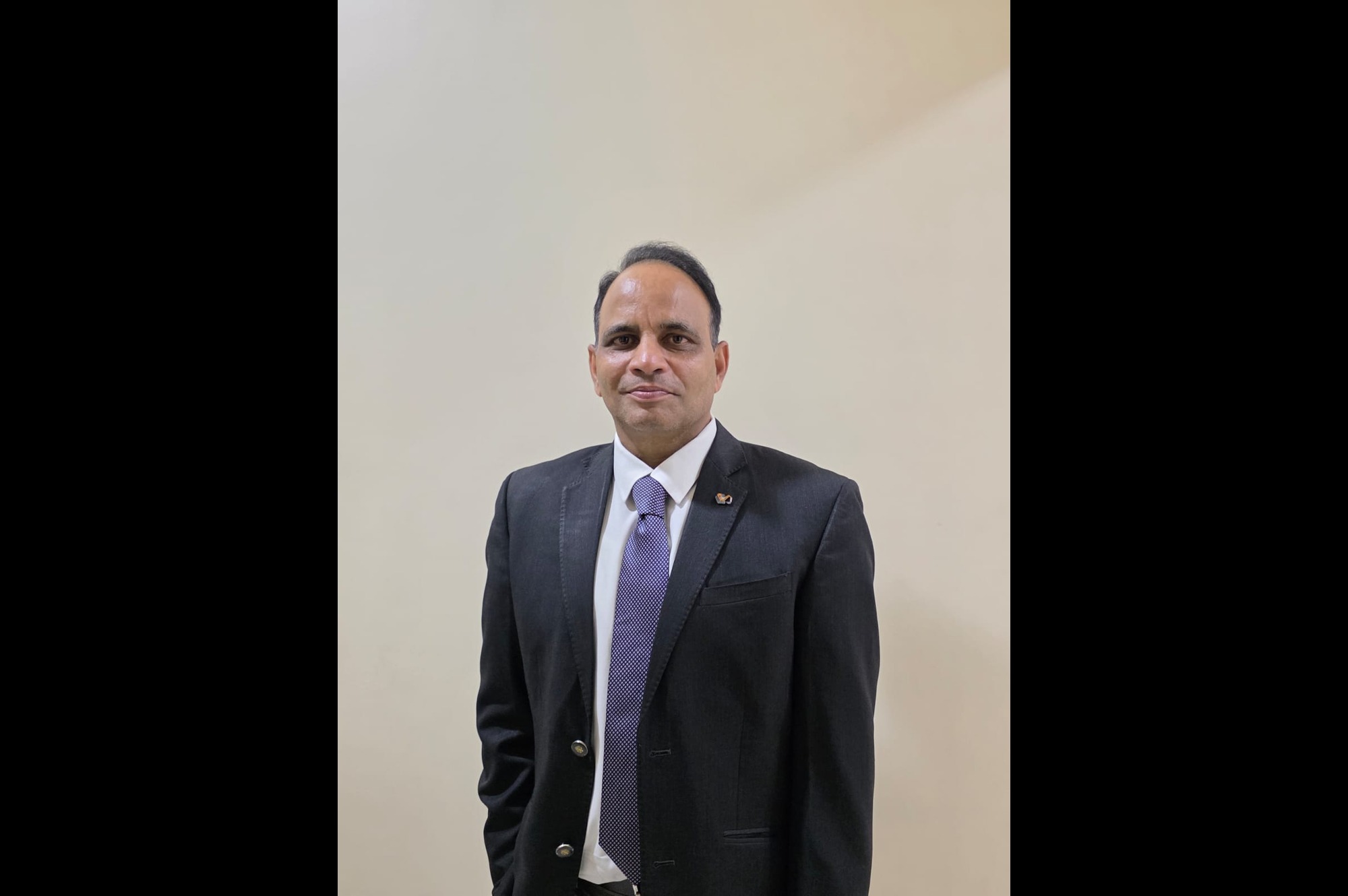
Interview: Sharwan Agnihotri, General Manager – Sales, Hyundai CE India

What are Hyundai CE’s latest product launches, and whom are they targeted at?
We have recently launched our BS5-compliant wheel loaders along with a new, more efficient model, the R210E. This machine is specifically designed for rental customers and infrastructure operators who focus on roads, earthwork, and other medium-duty applications where the workload is not very heavy. The R210E is fuel-efficient, environmentally friendly, and cost-effective, offering a good balance of speed and performance. It provides rental operators with lower operating costs and better productivity, making it an ideal choice for customers looking for a reliable and efficient machine for infrastructure and earthmoving projects.
What is Hyundai’s current production volume in India, and what share of this output is exported to global markets?
Hyundai began manufacturing in India in 2008 at its Chakan facility and has since produced over 50,000 units, with 7,500 exported. Exports, which started in 2013, now account for 13–14% of production, with a target of 20%. Initially focused on SAARC markets, exports now reach 45+ countries, including the Middle East, Africa, Asia, and Latin America. Local content averages 50%, with some segments above 60%. While localisation is a priority, it must balance cost, scale, and global quality standards. Annual production over 17 years averages ~3,000 units, but current output is around 6,000 units, with sales of 5,700–5,800 units.
What is your outlook for the CE industry in the coming year, and which infrastructure segments do you expect to drive growth?
Roads and irrigation have traditionally driven growth, with roads providing consistent volumes while irrigation has faced occasional volatility due to delayed contractor payments. Mining is emerging as a new growth driver, and railways, airports, and ports are gaining momentum. Government-backed infrastructure expansion supports a positive industry outlook and reflects the strong push on infrastructure development, which is essential to sustain economic growth and realise the vision of Viksit Bharat by 2047. Overall, the outlook for the construction and infrastructure industry in the coming year remains positive, supported by continued project announcements and public spending. However, challenges at the macro level—particularly the need for better coordination among multiple ministries and government departments—can impact execution timelines. How effectively these coordination issues are addressed will be a key factor influencing near-term industry growth.
How are external factors like interest rates and exchange rates affecting growth?
Factors like exchange rates, interest rates, and global macro conditions are largely beyond any single company or country. However, India’s strong domestic consumption provides a cushion for long-term growth. The immediate challenges are structural and execution-related, including project planning, inter-ministerial coordination, and timely payments, which often cause delays and cost overruns. Despite these, the long-term outlook remains strong, and Hyundai is optimistic about India, with ongoing investment plans and strong support from its global headquarters.
How is your product mix evolving to meet changing market requirements? Are you focusing more on specialised equipment, hybrid solutions or customised attachments?
At Hyundai, product development is strongly driven by the voice of the customer. Platforms such as Excon and structured customer meets are critical for us, as they allow direct interaction with users and help us capture real, on-ground requirements. These insights directly influence our product roadmap. Over the past few years, this approach has translated into the launch of new equipment classes and customised solutions—including a 50-tonne class excavator, mini excavators, and a wider range of specialised attachments, such as buckets with thumb support. Customisation, both in equipment configurations and attachments, will continue to be a regular and ongoing process. Looking ahead, our focus is shifting towards road construction equipment and large-class mining excavators, where we see growing demand. You can expect more launches in these segments in the coming years. At the same time, digitalisation and telematics are becoming integral to customer expectations. As a result, connectivity, machine monitoring and data-driven productivity features will increasingly be embedded across our product range. We will continue to prioritise developments based on continuous customer engagement and evolving market needs.
What proportion of your installed base is currently telematics-enabled, and how are you leveraging telematics to enhance customer decision-making?
Today, all new Hyundai machines are supplied with telematics as a standard feature. For older equipment in the field, there is also provision to retrofit telematics, giving customers the option to upgrade and benefit from connected-machine capabilities. Telematics empowers customers by providing real-time visibility into machine performance, operational parameters, alerts and maintenance needs. This enables them to make more informed decisions, improve equipment uptime and optimise operating efficiency. Going forward, we see significant potential in integrating telematics data across multiple machines and fleets, enabling deeper analytics and smarter operational insights. The objective is to ensure that customers receive relevant, actionable data that helps them improve productivity, reduce downtime and manage their equipment more effectively.
Hyundai has been exploring EV and hybrid technologies globally. Are you planning to introduce electric or hydrogen-powered equipment in India?
Globally, Hyundai has launched mini electric excavators and hydrogen-powered machines. However, for the Indian market, we are still in the process of discussions. We are evaluating the customer demand, ecosystem readiness, and operational feasibility – including charging infrastructure and service support – before deciding which technology to introduce first, whether EV or hydrogen. At present, no EV or hydrogen equipment has been launched in India. Our approach is to collect detailed data from customers and relevant agencies to guide investment decisions. For example, while EVs have been introduced in wheel-based equipment elsewhere, the Indian market for trucks and larger machinery requires careful assessment before we commit to production. We are still engaging with customers to understand demand potential and practical requirements. Only after this analysis will we finalise our strategy for introducing alternative-energy equipment in India.
Looking at the current market scenario, what are the top three challenges your business is facing today?
Hyundai faces a mix of demand- and supply-side challenges:
- Access to finance – Many first-time buyers and small rental operators (30–35% of business) struggle to secure loans, creating a need for leasing, rental models, or alternative financing.
- Supply pressures – Geopolitical tensions and currency fluctuations affect component availability and increase costs.
- Project ecosystem complexity – Medium-sized projects are often subcontracted to smaller players, causing delays, payment issues, and market risks.
Hyundai is addressing these challenges through collaborative financing, structured leasing, and rental platforms to ensure reliable equipment access for all customers.
Over the next three to five years, what technological or business model shifts do you anticipate in the construction equipment industry?
Over the next 3–5 years, two key trends will shape the construction equipment industry in India:
Organized rental and structured leasing – Formalized models will give first-time buyers and small contractors better equipment access while reducing risk for manufacturers and financiers.
Mega infrastructure projects – Large government-backed projects executed by established players will drive demand for high-capacity equipment, advanced technology, and long-term partnerships.
These trends will fundamentally reshape how manufacturers, financiers, and contractors operate in India.
Tags