Interview: Brajesh Nahar, Director & COO, APL Apollo Building Products

Our next-generation hollow structural sections enable lighter, taller, and faster construction for urban high-rises
As sustainability becomes a key priority in construction, how is your company integrating eco-friendly materials, production methods, and end-of-life recycling into your piping systems to reduce environmental impact?
At APL Apollo, sustainability defines our design and manufacturing philosophy. Our “Steel for Green” range — including Chaukhat door frames, Fence systems, Planks, and Handrails — replaces wood in construction, saving over four lakh trees annually. We operate using 56 MW of solar power and 34 electric coil-transport vehicles. Our Zero Liquid Discharge (ZLD) facilities, water harvesting ponds (95,000 KL capacity), and full waste recycling through certified agencies make our production nearly carbon-neutral. All steel products are infinitely recyclable, aligning with circular economy principles.
With India facing an urgent need for water conservation, what specific innovations -such as anti-leak technologies, low-flow solutions, or greywater recycling systems – have you introduced to minimize water wastage?
Water conservation is integrated into our operations. Our Raipur, Murbad, and Mallur facilities are ZLD units, using MEE and RO systems to recycle process water. We’ve built two rainwater ponds (45,000 KL + 50,000 KL) and 18 recharge pits for groundwater replenishment. In our product ecosystem, pre-fabricated hollow sections and coated steel tubes enable leak-proof, corrosion-free construction frameworks, indirectly minimizing water loss in infrastructure. Every liter is reused — ensuring zero discharge and sustained water neutrality across our plants.
How do your piping solutions align with green building standards like LEED and IGBC, and what proportion of your current product portfolio meets these sustainability benchmarks?
Our recyclable and low-carbon steel products — such as PPGI/PPGL sheets (Roof Tuff, LumeTuff Pro, Coral), CRFH coils, and hollow sections (IS 4923 certified) contribute directly to green building credits. We’re currently undergoing EPD, GRIHA, and ESG certifications to formally benchmark our sustainable processes. Every APL Apollo product, from flat sheets to tubular sections, is engineered for high strength-to-weight ratios and minimal environmental footprint.
Anti-bacterial, anti-corrosive, and fire-resistant features are becoming essential in modern infrastructure. How are such advancements being incorporated into your product lines, especially for urban and high-rise applications?
Our Rakshak, LumeTuff Pro, and Roof Tuff coated sheets are built with multi-layer Alu-Zinc coatings (up to 150 gsm) and anti-fingerprint technology, providing superior corrosion and microbial resistance. Pre-painted steel door frames (Chaukhat) and color-coated purlins (Purlio) offer enhanced surface protection, durability, and fire resilience in high-rise and urban applications. With R&D-driven coatings and in-house NABL-accredited testing, APL Apollo ensures products perform reliably in harsh environments while maintaining superior aesthetics and hygiene standards.
In the age of smart cities, how are you leveraging IoT, sensors, or smart technology to enhance water management, detect leaks in real time, or predict maintenance needs?
APL Apollo integrates advanced automation and digital monitoring within production to enable real-time efficiency and predictive maintenance. Our Energy Management System (ISO 50001) and upcoming EnMS certifications enable intelligent tracking of power, air, and water resources. Smart controls within our color-coating lines and rolling mills optimize energy and water use. These innovations build the groundwork for IoT-enabled, leak-proof structural frameworks and intelligent infrastructure monitoring in future building systems.
Urbanization is rapidly reshaping Indian cities. How are you adapting your products to meet the unique challenges of high-density developments and multi-storey residential or commercial buildings?
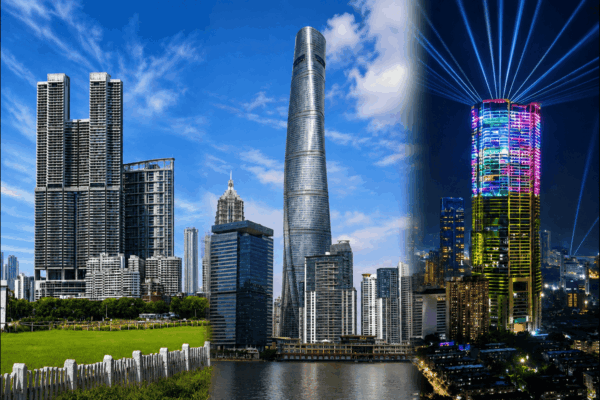
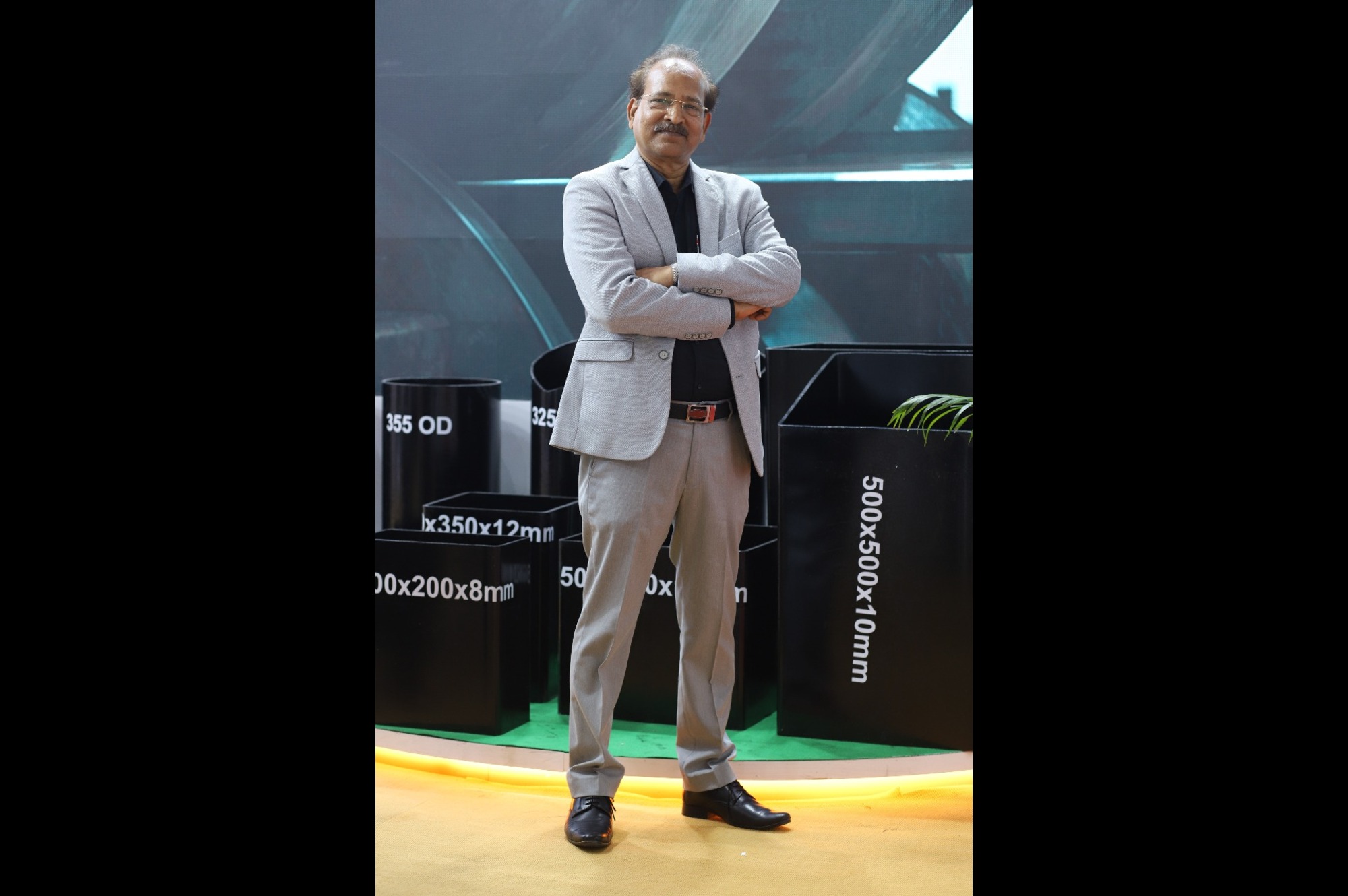
Our next-generation hollow structural sections — including India’s first 500×500×20 mm and 1000×1000×40 mm tubes — enable lighter, taller, and faster construction for urban high-rises. Compared to RCC, our tubular systems offer 2.5–3× higher strength-to-weight ratio and 60% lower carbon emissions. These pre-engineered steel solutions, complemented by our color-coated Purlio purlins and flat sheet roofing systems, allow rapid assembly and reduced load on foundations — perfect for dense, multi-storey developments.
What steps has your company taken to support rainwater harvesting systems and promote more efficient water use across residential, commercial, or institutional projects?
Beyond implementing large-scale rainwater harvesting within our plants, APL Apollo’s prefabricated tubular frameworks and roofing sheet systems are ideal for integrating water harvesting designs in buildings. Our Roof Tuff and LumeTuff Pro sheets ensure long life and seamless drainage for efficient rainwater collection. We’ve built 95,000 KL in-house rainwater storage and recharge facilities, reducing dependency on groundwater while promoting replicable sustainability models for institutional and commercial projects.
Compliance with safety and quality standards is critical in the pipes and fittings industry. What certifications do your products currently hold, and how do you ensure they meet evolving regulations such as ISI, ISO, and NSF?
Our manufacturing units are certified under ISO 9001, 14001, and 45001 as part of an integrated management system. All key product lines hold BIS licenses — including IS 277 (Galvanized), IS 4923 (Hollow Sections), IS 1161 & 3601 (Welded Tubes), and IS 15965 (PPGL). We also possess CE certification for European markets. Testing is done at our NABL-accredited laboratories to ensure every batch meets ISI and global safety norms for durability, pressure performance, and corrosion resistance.
How do you balance the rising cost of raw materials and compliance with quality standards while keeping your products affordable for builders and end users?
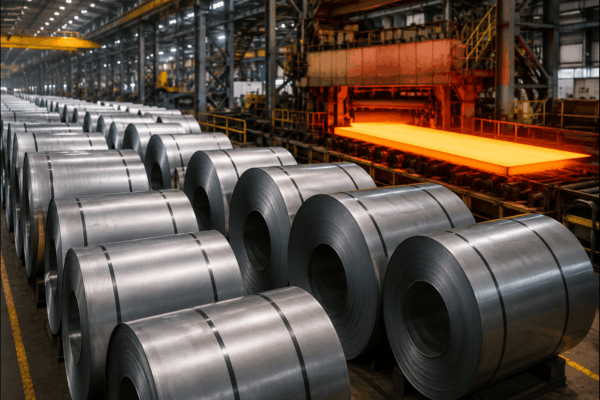
Through integrated production and technological scale, we achieve cost control without quality compromise. In-house rolling, slitting, pickling, and color-coating lines for CRFH, GP, PPGL, and Alu-Zinc products ensure vertical integration. Our 56 MW solar plant and EV logistics fleet reduce operational costs and carbon footprint. Efficient energy use, automation, and zero-waste practices enable us to offer globally certified, high-performance steel at competitive prices for builders and developers.
What are some of the regulatory or logistical challenges you face in bringing new piping innovations to market, and how do you work with authorities or industry bodies to navigate them?
Aligning new-generation tubular and coated steel products with legacy standards remains a key challenge. APL Apollo works closely with BIS, CPWD, PWDs, and industry bodies to update product specifications for modern applications. We actively participate in BIS Foundation Day, Indian Building Congress, and Green Steel Conferences to share technical data and ensure smooth policy adoption. This collaborative approach accelerates certification and supports faster market acceptance of our innovations.
With the Indian real estate sector transforming rapidly, especially in Tier 2 and Tier 3 cities, how are you aligning your R&D and distribution strategies to meet the growing demand?
Our 11 manufacturing plants, including ABPL Raipur, ensure nationwide reach with 4.3 MTPA capacity. APL Apollo’s R&D focuses on scalable innovations such as narrow-width high-thickness coils, color-coated roofing, and pre-engineered tubular systems suited for emerging cities. Decentralized logistics and regional stock points ensure timely supply to Tier 2/3 developers, enabling faster construction cycles and promoting adoption of sustainable steel solutions across India.
Looking toward the future, what major trends do you anticipate shaping the pipes and fittings industry over the next 5 to 10 years, and how is your company preparing to stay ahead of the curve?
The future will emphasize green steel, automation, and prefabricated construction systems. APL Apollo is investing in EPD, GRIHA, and ESG certifications, World-Class Manufacturing standards, and digital process control. Our upcoming Eco Park and energy recovery systems reinforce a sustainable manufacturing ecosystem. With advanced tubular construction, PPGI solar structures, and high-strength coated products, we are positioned to drive India’s transition toward carbon-neutral, smart, and resource-efficient infrastructure.
Tags