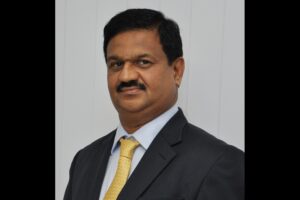
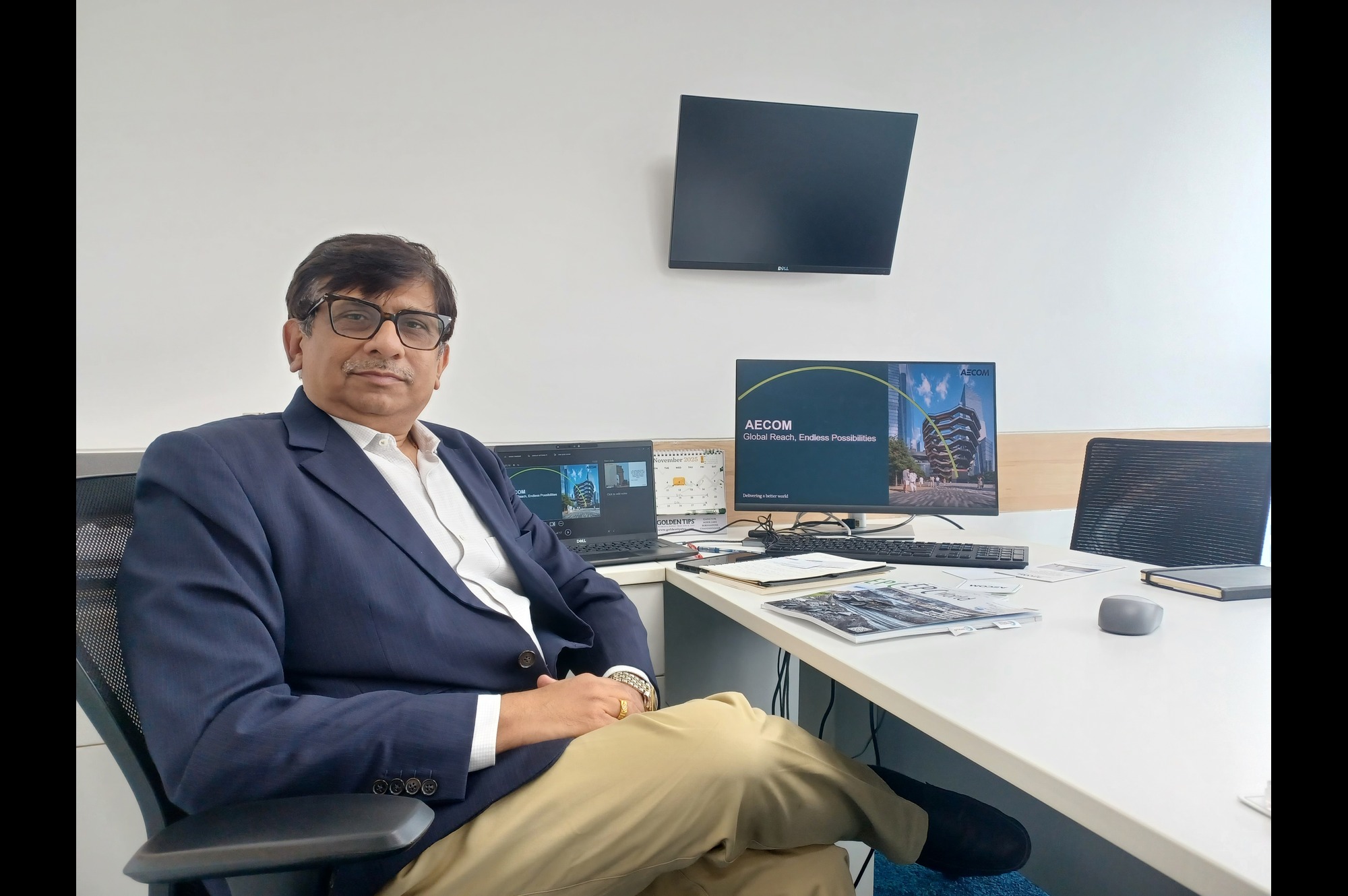
Interview: Neil Banerjee, Operations Director (India), AECOM

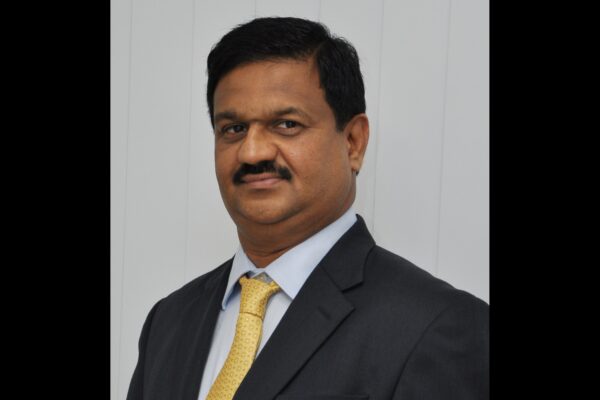
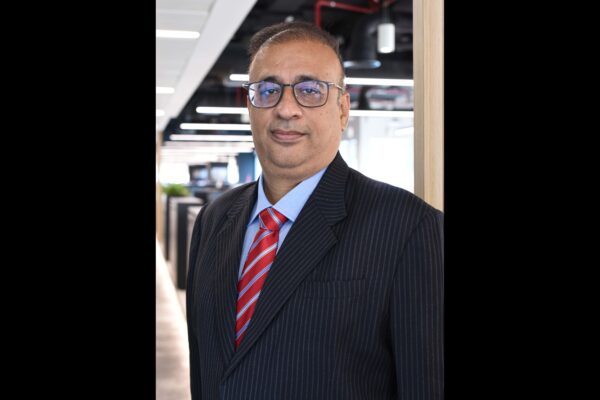
From executing Kolkata’s pioneering underwater metro tunnels to advancing India’s longest river bridge in the Northeast, AECOM’s Kolkata office exemplifies how global expertise and empowered local leadership drive transformative, sustainable infrastructure, shares Neil Banerjee, Operations Director (India), AECOM, in an interaction with EPC World
You have had a remarkable journey in Kolkata. Could you walk us through how it all began and highlight some of the defining moments along the way?
My journey in Kolkata has been particularly defining. In 2010, while working with Afcons on the underwater metro project, I gained a deep appreciation for the exceptional engineering talent in eastern India. Institutions such as IIT Kharagpur, NIT Durgapur, IIEST Shibpur, Jadavpur University, and Jalpaiguri Engineering College were producing outstanding professionals, yet many were leaving the region due to limited opportunities. I believed this could—and should—change by establishing a strong design hub in the East. I shared this vision with several people, and AECOM expressed interest, despite at the time having only one India office in Gurgaon. After I presented a detailed business plan, AECOM’s leaders endorsed the idea and gave me a six-month window to prove its viability.
The early phase was extremely modest, but our determination never faltered. Our first assignment came in 2013: a small, four-week job from Simplex. It remains one of the most meaningful milestones of my career. We delivered exceptional quality, which helped build a long-term relationship with Simplex. We also won a major project from ITDCem. From there, momentum built quickly. Today, as we manage multi-million-dollar projects, I often reflect on how the grit, belief, and foundation laid during those early days in Kolkata paved the way for everything that followed.
Could you highlight some of the landmark projects where AECOM has demonstrated its engineering excellence and project management capabilities, particularly from your Kolkata office?
AECOM’s Kolkata office has been involved in several landmark projects across West Bengal, Eastern India, and beyond. The most iconic is the Kolkata East–West Metro Corridor, featuring India’s first underwater river crossing beneath the Hooghly and the 35-metre-deep Howrah Station. We served as both concept designers and project management consultants, helping navigate multiple engineering challenges. In the Himalayan region, we are supporting the Sevoke–Rangpo rail tunnel and bridge package, one of the most geologically complex projects in the country. Our rural drinking water project in West Bengal,spread across Purba Medinipur, North 24 Parganas, and Bankura, recently won the Asia Water Award.
In the wider Northeast, the Dhubri–Phulbari Bridge over the Brahmaputra is among our most significant contributions. At 20 km, it will be India’s longest river bridge, and we led the work from feasibility and concept design onward. We also played a pivotal role in delivering Manipur’s first railway line, including tunnels and bridges in highly challenging terrain, contributing engineering and project management expertise for nearly a decade.
In Odisha we are doing a multi-specialty hospital project.
Collectively, these projects highlight the Kolkata office’s depth, versatility, and engineering excellence.
AECOM has a strong global footprint as well. Could you share some of the major international projects your teams – particularly from India – have contributed to?
We have had the opportunity to work very closely with our Global Excellence Centers on a number of large international assignments. One of the most significant is the Riyadh Metro project in Saudi Arabia. Between 2015 and 2018, we were part of the team delivering the Riyadh Metro – a truly global collaboration involving AECOM engineers from the US, Australia, Hong Kong, India, the Middle East, the UK, and Spain. We worked as one integrated team, many of us stationed together at the client’s office in Riyadh for months. I served as the Chief Structural Engineer on the P2P package of the project, and it was an immensely rewarding experience. Projects like this demonstrate AECOM’s strong global experience and our ability to work seamlessly across geographies on highly complex assignments.
How has AECOM’s global expertise enhanced project delivery in this region?
AECOM’s global knowledge network has significantly strengthened the solutions delivered across our key projects. For the Kolkata East–West Metro, our teams leveraged AECOM’s international tunnelling expertise to address the city’s extremely soft clay and high-water pressure, including global specialist and tunnelling experts from the US. For the Dhubri–Phulbari Bridge, we adopted an unconventional design approach inspired by insights from AECOM’s global bridge expert. Instead of traditional guide bunds, we designed foundations that allow the Brahmaputra’s natural flow to remain unrestricted—resulting in a solution that is both cost-effective and environmentally sensitive. This approach was later validated through CWPRS model studies.
In Manipur, our teams applied global best practices to deliver complex tunnels and bridges in extremely challenging, remote terrain—often trekking kilometres to reach sites. So yes, AECOM’s global knowledge network – combined with the resilience, ingenuity, and commitment of our local teams – has been instrumental in delivering innovative, safe, and sustainable solutions across the region.
Could you share insights into AECOM’s upcoming focus areas or strategic collaborations, particularly in emerging sectors across eastern India?
For nearly 15 years, we have been deeply involved in water supply, environmental projects, bridges, metros, tunnels and related infrastructure. While we will continue to strengthen these core sectors, our focus is now expanding into several emerging areas across Eastern India. One of these areas is advanced manufacturing, including IT infrastructure and semiconductor facilities. States like Odisha and West Bengal, for example, are actively exploring semiconductor investments and similar opportunities are beginning to take shape in Assam as well. Another focus area is data centres. AECOM already has a significant share of the global data centre design and advisory market, and we see strong potential to extend this into Eastern India. We also see opportunities in the renewable energy space, particularly in West Bengal and Odisha. Our aim is to support clients as engineering consultants and as strategic advisors – helping conceptualise large-scale infrastructure programmes, conduct social impact assessments and deliver full lifecycle project solutions. This approach aligns with our long-term vision and growth trajectory for the region.
What, in your view, truly differentiates AECOM in India’s infrastructure consulting landscape?
AECOM stands out in India’s infrastructure consulting landscape due to its global scale, deep technical expertise, and a uniquely empowered local leadership model. In India, our offices are led by professionals with deep insight into local realities, supported by AECOM’s extensive network of global experts. This decentralised approach fosters agility, innovation, and solutions tailored to community needs. Its impact is visible in projects like the Howrah–Salt Lake Metro, which cut travel time from nearly two hours to 40–45 minutes, and the upcoming Dhubri–Phulbari Bridge, which will reduce an eight-hour journey to just 15–20 minutes. Ultimately, AECOM’s distinctiveness lies in its combination of global expertise and deep local knowledge and leadership, enabling us to deliver transformative infrastructure that improves lives and drives sustainable regional development.
What framework or decision-making principles does AECOM follow to ensure its projects deliver long-term sustainability and positive community impact?
AECOM embeds sustainability and community impact into every stage of project decision-making. We prioritise projects that create long-term benefits for communities,such as our rural drinking water programmes in Purba Medinipur, Bankura and Purulia, which address water scarcity and improve public health in underserved regions. We help clients make their existing assets more sustainable through remediation, environmental advisory, and cleaner technology solutions, strengthening both compliance and resilience. Across all these areas, our work aligns with the UN Sustainable Development Goals, so that every project contributes meaningfully to community well-being, environmental stewardship and sustainable development.
What key message or advice would you like to share with young engineers who are entering the infrastructure and design field today?
My advice to young engineers is to never compromise on quality. Engineering requires diligence, patience, and a strong sense of responsibility. While meeting deadlines is important, it should never come at the expense of safety, integrity, or sound engineering principles. To leaders, I would say, nurture and guide your teams, particularly young engineers, and avoid placing them under undue pressure. Exceptional engineering is the result of a healthy, well-supported, and motivated team.
Tags