Centre’s push to clear stalled highway backlog by March 2026 Set to boost CE, Real Estate & Infrastructure Sectors

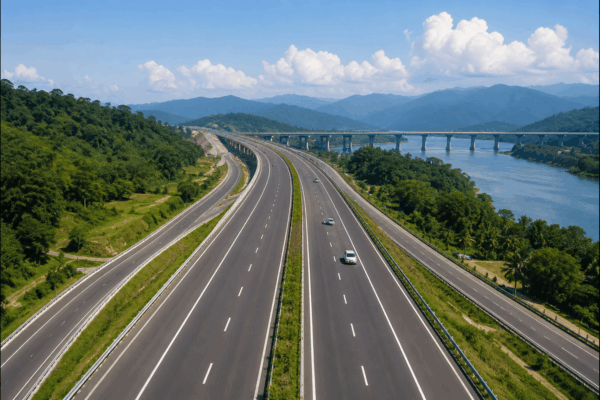
Accelerating infrastructure delivery and restoring momentum in the roads sector, the central government plans to clear the backlog of stalled national highway projects by the end of the current fiscal year, March 2026. The focus is to reduce the number of pending projects by nearly 60%, signalling a renewed commitment to timely execution, resolution of long-standing bottlenecks, and faster economic impact across sectors.
At the beginning of the fiscal year, 152 national highway projects were running behind schedule. Over the past few months, 54 of these have already been resolved, bringing the number of delayed projects down to 98. The next milestone is to reduce this further to around 60 by March 2026.
“The government’s drive to clear the backlog of national highway projects by March 2026 is a decisive step toward accelerating India’s infrastructure push and realising the Viksit Bharat 2047 vision. Roads and highways are of strategic national importance, strengthening connectivity, unlock Industrial economy growth & tourism potential, and catalyse broader economic development. Fast-tracking stalled projects will ease execution bottlenecks, unlock capital, and create significant opportunities for gig and contract-based employment and boost for micro economic activities resulting in huge self-employment. This renewed momentum will help counter the current economic slowdown by enhancing logistics efficiency and improving market access. As implementation speeds up, India’s infrastructure ecosystem will be better positioned to deliver sustainable, high-impact growth,” said Prof. (Dr.) Hosh Ram Yadav, Executive Director – Road & Highways, Rodic Consultants.
The government’s multi-pronged strategy involves faster statutory clearances, timely land acquisition, swifter dispute resolution, and prompt fund release. Authorities are also conducting more frequent progress reviews with implementing agencies to prevent issues from escalating into prolonged stoppages.
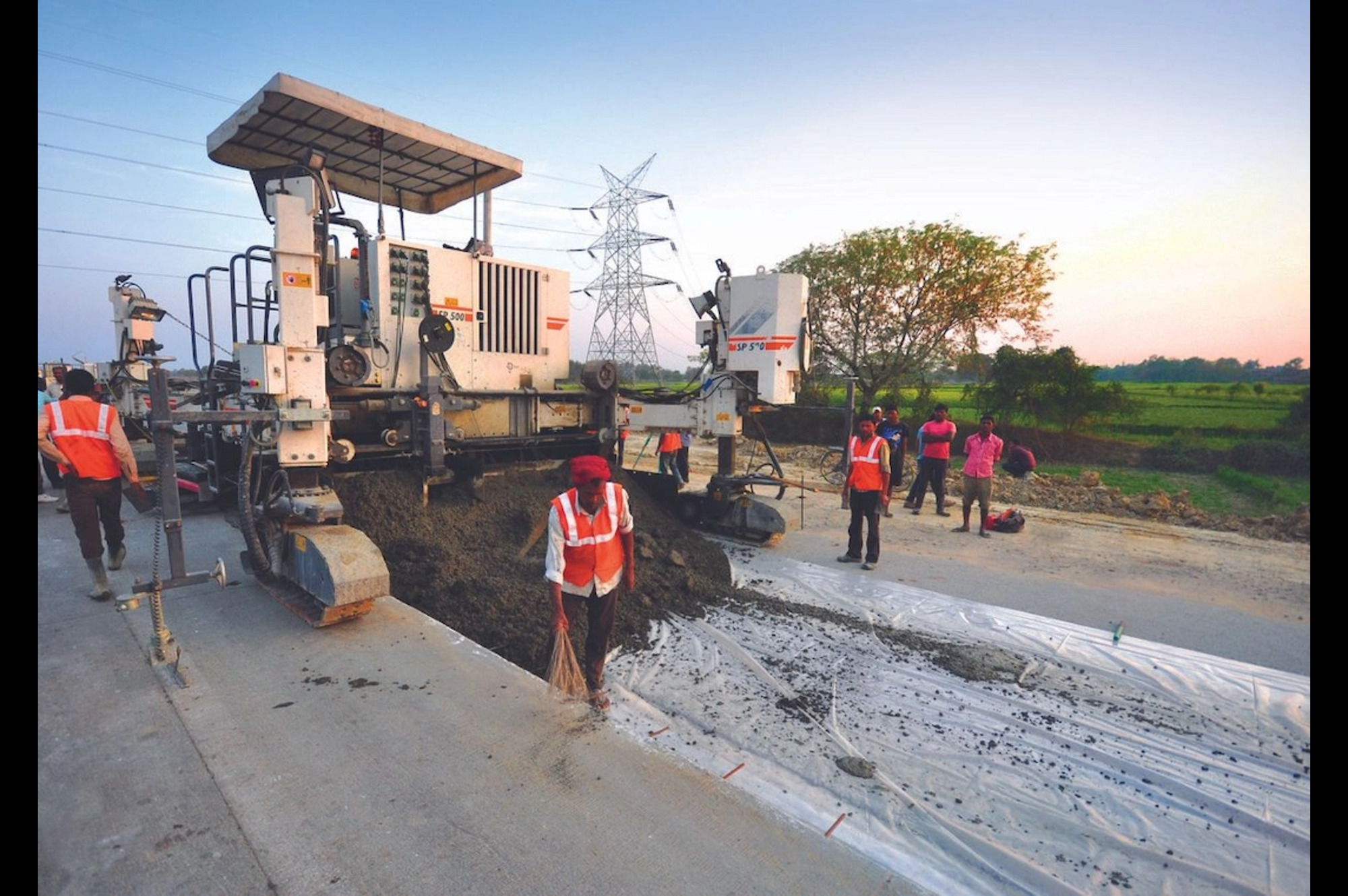
Construction Equipment Sector: Demand Revival & Higher Utilisation
For the construction equipment industry, which witnessed a dampened year due to delayed projects and slower capex cycles, this move comes as a much-needed boost.
“The government’s decision to fast-track the clearance of national highway backlogs by 2026 is exactly the momentum the construction equipment industry needs. After a subdued year, this acceleration injects confidence back into the sector, driving fresh demand, higher equipment utilisation, and faster project churn. For a homegrown leader like Action Construction Equipment, it opens the door to scale up deployment, innovation, and on-ground capabilities. With the CE industry being one of India’s largest employment engines, this push will also translate into wider job creation and stronger local economies. Ultimately, it’s a powerful catalyst to reignite growth and keep India’s infrastructure story moving forward,” said Manish Mathur, CEO-Cranes, ACE-Action Construction Equipment.
Real Estate: Connectivity Transforming Growth Corridors
Improved highways are proven catalysts for residential, commercial, and industrial development. Reduced travel time, smoother freight movement, and better access to social infrastructure often lead to rapid urbanisation around new or revived corridors.
“The government’s decision to clear the backlog of national highways will be a turning point for the economy, as road infrastructure has always been a powerful engine of economic development. As road connectivity improves, industry grows, and the demand for housing, commercial, and retail spaces naturally increases around new growth corridors. As witnessed before, the Delhi–Meerut NH24 has completely changed belts on both sides of the expressway, triggering housing, commercial, and social infrastructure development. Reduced travel time for business and trade directly boosts productivity, acting as a catalyst for overall economic growth. Improved roads and highways also promote the development of healthcare facilities, educational institutions, and lifestyle amenities, improving the lifestyle of citizens,” said Ashish Agarwal, Director, AU Real Estate.
For real estate developers, the timely execution of national highways will boost market sentiment and directly impacts project viability.
Santosh Agarwal, CFO & Executive Director, Alpha Corp Development, said, “The government’s accelerated effort to clear the national highway project backlog by March 2026 will significantly strengthen the real estate and infrastructure ecosystem. Faster resolution of stalled corridors will generate employment, boost local economies, and enhance supply-chain efficiency. Additionally, key projects such as the Delhi–Mumbai Expressway, Amritsar–Jamnagar Economic Corridor, and Bengaluru–Chennai Expressway will progress more rapidly, improving regional connectivity and supporting real estate growth. Moreover, for developers, addressing nearly 60 per cent of delayed projects through expedited clearances and timely fund releases will help curb cost overruns and strengthen cash flows, ultimately boosting investor confidence and driving demand for residential and commercial developments. Additionally, the initiative will increase daily construction rates, essential for meeting the sector’s ambitious targets.”
Driving the Viksit Bharat 2047 Vision
The government’s success in meeting the March 2026 deadline is expected to have impact far beyond the immediate infrastructure sector. Enhanced connectivity strengthens logistics efficiency, reduces travel time for trade, opens up new industrial clusters, and improves access to markets and essential services, all critical components of the Viksit Bharat 2047 ambition.
By unlocking stalled investments and accelerating execution of key corridors, the initiative aims to position India for a sustained, high-growth trajectory. From construction equipment manufacturers to real estate developers, and from local economies to national productivity, the ripple effects of clearing stalled highways promise to be far-reaching.
Tags